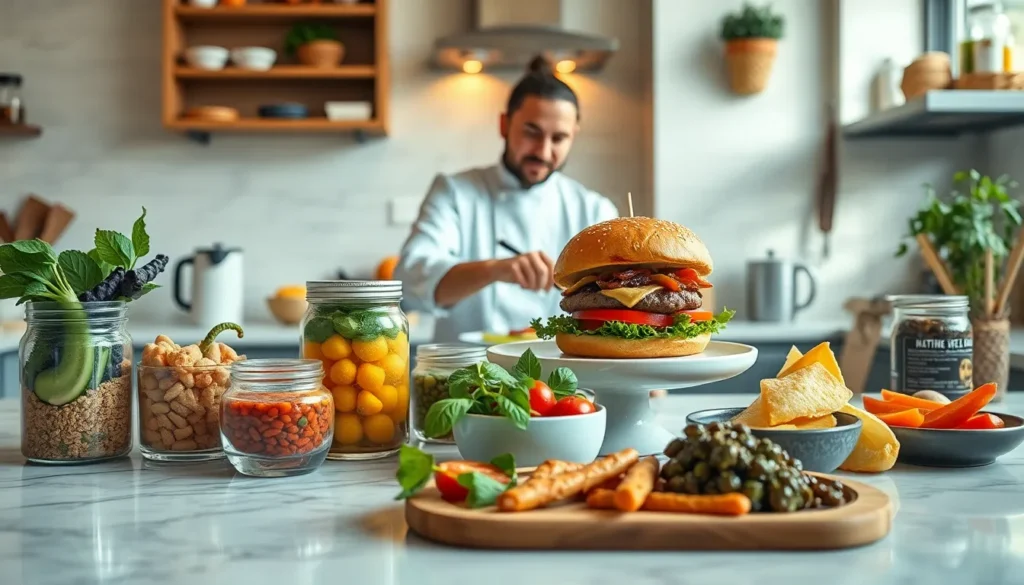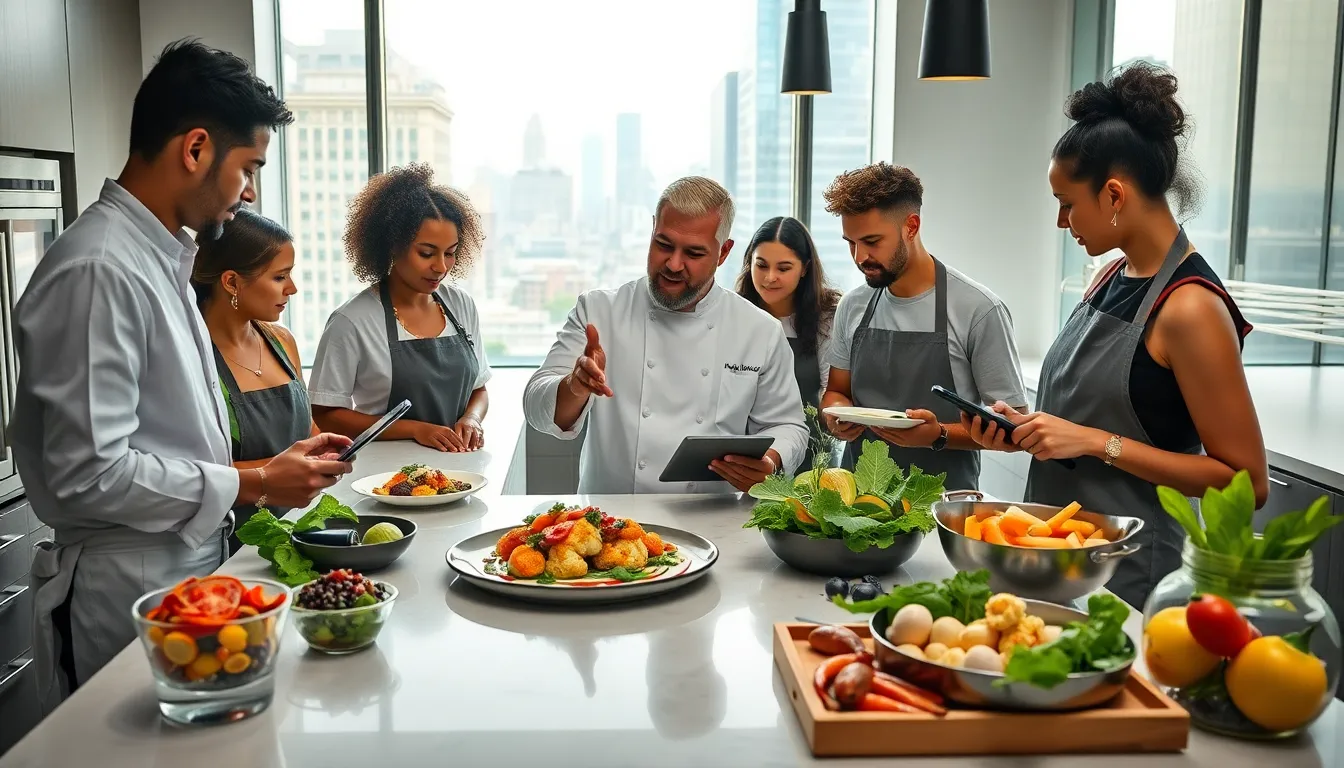
Top food trends in 2025 reflect a major shift in how people eat, cook, and think about meals. Consumers want flavor, health benefits, and sustainability, all on one plate. Restaurants and home cooks alike are adapting to meet these expectations.
This year brings exciting changes to kitchens everywhere. Plant-based options now compete directly with traditional proteins. Global cuisines blend into creative fusion dishes. Technology changes how people order, prepare, and experience food. These trends signal more than passing fads, they represent lasting changes in culinary culture.
Table of Contents
ToggleKey Takeaways
- Top food trends in 2025 prioritize flavor, health benefits, and sustainability as consumers demand more from every meal.
- Plant-based innovation has gone mainstream, with improved meat alternatives now available at fast-food chains, fine dining, and grocery stores.
- Global flavors from Korean, Filipino, and West African cuisines are reshaping menus through bold fusion dishes and expanded spice palettes.
- Sustainability and zero-waste cooking drive consumer choices, from upcycled ingredients to compostable packaging and local sourcing.
- Functional foods featuring adaptogens, probiotics, and sleep-supporting ingredients reflect a growing view of food as preventive medicine.
- Technology like AI recipe apps, smart appliances, and ghost kitchens continues to transform how people cook, order, and experience food.
Plant-Based Innovation Goes Mainstream
Plant-based eating has moved from niche health stores to mainstream menus. In 2025, consumers find meat alternatives at fast-food chains, fine dining establishments, and grocery stores worldwide. This food trend shows no signs of slowing down.
The technology behind plant-based proteins has improved dramatically. Products now mimic the texture, taste, and appearance of beef, chicken, and seafood. Companies use fermentation, precision agriculture, and advanced processing to create convincing alternatives. The result? Even devoted meat-eaters often can’t tell the difference.
Restaurants report strong sales for plant-based menu items. Burger joints sell mushroom-based patties alongside traditional beef. Pizzerias offer cashew-based cheese that melts and stretches. Sushi restaurants serve plant-based salmon made from algae and legumes.
This trend extends beyond imitation products. Chefs celebrate vegetables as main courses rather than side dishes. Cauliflower steaks, jackfruit carnitas, and eggplant parmesan headline restaurant menus. Home cooks experiment with legumes, grains, and seasonal produce as centerpiece ingredients.
The shift reflects changing consumer priorities. Many people reduce meat consumption for health, environmental, or ethical reasons. They don’t want to sacrifice flavor or satisfaction. Plant-based innovation delivers both.
Global Flavors and Fusion Cuisine
Global flavors dominate food trends in 2025. Diners seek authentic tastes from around the world, and creative combinations that blend culinary traditions.
Korean, Filipino, and West African cuisines gain particular momentum this year. Gochujang appears in everything from marinades to mayo. Adobo techniques influence American barbecue. Jollof rice inspires new grain bowl creations. These flavors reach beyond specialty restaurants into everyday cooking.
Fusion cuisine takes bold new directions. Chefs combine Japanese and Mexican traditions to create dishes like miso carnitas tacos. Indian-Italian mashups produce curry-spiced pasta sauces. Middle Eastern ingredients enhance Southern comfort food classics.
Spice palettes expand significantly. Consumers embrace more heat and complexity in their meals. Calabrian chili, Sichuan peppercorns, and Scotch bonnet peppers appear in products and recipes that would have seemed too adventurous five years ago.
Fermented condiments also gain ground. Kimchi, miso, and harissa join ketchup and mustard as pantry staples. These ingredients add depth and umami to simple dishes. Home cooks use them to transform weeknight dinners into restaurant-quality meals.
This globalization of taste reflects demographic shifts and increased travel. People want their food experiences to transport them somewhere new, even when eating at home.
Sustainability and Zero-Waste Cooking
Sustainability ranks among the most important food trends of 2025. Consumers and restaurants alike prioritize environmental responsibility in their food choices.
Zero-waste cooking gains significant traction. Chefs use vegetable scraps for stocks and broths. They transform stale bread into croutons, bread crumbs, and even desserts. Coffee grounds become ingredients in rubs and baked goods. Nothing goes to the trash if creativity can find another use.
Upcycled ingredients enter the mainstream market. Food companies create products from byproducts that once went to landfills. Spent grain from breweries becomes flour. Imperfect produce transforms into sauces and snacks. These products appeal to environmentally conscious shoppers.
Local sourcing becomes standard practice rather than premium positioning. Restaurants feature regional farms on their menus. Farmers markets see record attendance. Consumers pay attention to food miles and seasonal availability.
Packaging also gets a sustainability makeover. Compostable containers replace plastic. Restaurants offer discounts for customers who bring reusable containers. Grocery stores expand bulk sections where shoppers fill their own jars.
This food trend connects directly to climate concerns. People recognize that their food choices impact the planet. They vote with their forks for a more sustainable food system.
Functional Foods and Wellness-Focused Eating
Functional foods represent one of the fastest-growing food trends this year. Consumers want meals that deliver specific health benefits beyond basic nutrition.
Adaptogens appear in everything from coffee to chocolate. Ashwagandha, reishi mushrooms, and rhodiola promise stress relief and improved focus. Brands add these ingredients to beverages, snacks, and meal kits. Consumers seek out products that support mental clarity and emotional balance.
Gut health remains a major focus. Probiotic and prebiotic ingredients show up in unexpected places. Yogurt and kombucha continue their popularity. But now consumers also find fermented vegetables, fiber-rich snacks, and gut-friendly supplements in mainstream stores.
Protein fortification expands beyond fitness culture. Parents want high-protein snacks for their kids. Office workers choose protein-packed lunches for sustained energy. Food manufacturers respond with protein-enhanced versions of familiar products.
Sleep-supporting foods gain attention as well. Tart cherry juice, magnesium-rich foods, and calming herbal blends target consumers who struggle with rest. Dinner menus feature ingredients that promote relaxation and quality sleep.
This wellness focus reflects a broader cultural shift. People view food as preventive medicine. They choose ingredients that align with their health goals. The line between eating and self-care continues to blur.
Technology and the Future of Dining
Technology reshapes food trends in 2025 more than ever before. From kitchen gadgets to restaurant operations, innovation changes how people interact with food.
AI-powered recipe apps suggest meals based on available ingredients. They account for dietary restrictions, flavor preferences, and nutritional goals. Home cooks receive personalized recommendations that reduce food waste and expand their culinary skills.
Smart kitchen appliances become more affordable and practical. Precision cookers, connected ovens, and automated coffee makers take the guesswork out of cooking. These tools help beginners achieve professional results.
Restaurants adopt technology to improve efficiency. QR code menus persist from the pandemic era. Kitchen display systems streamline orders. Some establishments use robotic assistants for repetitive tasks like drink preparation or food delivery within the restaurant.
Ghost kitchens continue to proliferate. These delivery-only operations offer restaurant-quality food without dining rooms. They allow culinary entrepreneurs to launch concepts with lower overhead. Consumers benefit from greater variety in their delivery options.
3D food printing moves from novelty to practical application. Restaurants use printers to create intricate chocolate decorations and custom pasta shapes. The technology enables new forms of culinary expression.
These technological food trends don’t replace human creativity, they amplify it. Chefs and home cooks gain new tools to execute their visions.