Skincare routines trends 2026 are shifting toward smarter, simpler, and more intentional practices. Consumers now demand products that deliver real results without unnecessary steps or harsh formulas. The focus has moved from 10-step regimens to science-backed approaches that respect the skin’s natural functions. This year, barrier health, personalization, and sustainability take center stage. Whether someone is rebuilding their routine or fine-tuning what already works, understanding these skincare routines trends 2026 will help them make informed choices. Here’s what’s shaping the way people care for their skin this year.
Table of Contents
ToggleKey Takeaways
- Skincare routines trends 2026 prioritize skin barrier health, with ceramides and gentle formulas replacing aggressive actives and multi-step regimens.
- AI-powered apps, DNA testing, and at-home diagnostic devices are making personalized skincare accessible to everyday consumers.
- Sustainability drives purchasing decisions, with refillable packaging, waterless formulas, and multi-functional products becoming the new standard.
- Peptides, prebiotics, and exosome technology lead the ingredient innovations backed by clinical research rather than marketing hype.
- The average routine has shrunk to four or five products as “skinimalism” encourages healthy skin with minimal intervention.
- Consumers now demand transparency about sourcing, testing methods, and environmental impact before committing to any skincare brand.
The Rise of Skin Barrier-Focused Care
The skin barrier has become the foundation of effective skincare routines trends 2026. After years of aggressive actives and over-exfoliation, people are realizing that a damaged barrier causes most common skin concerns, dryness, sensitivity, breakouts, and uneven texture.
Dermatologists and skincare experts now emphasize barrier repair as step one. Products containing ceramides, fatty acids, and cholesterol have surged in popularity. These ingredients mimic the skin’s natural lipid structure and help restore its protective layer.
The “less is more” philosophy drives this trend. Instead of layering multiple serums, consumers are choosing fewer products that support barrier function. Gentle cleansers have replaced stripping foaming formulas. pH-balanced toners are back in favor.
Brands are responding with barrier-focused collections. Many formulas now highlight their lipid ratios and pH levels on packaging. The message is clear: healthy skin starts with a strong barrier.
This shift also means actives like retinoids and acids are being used more carefully. People are cycling these ingredients rather than applying them daily. Buffer techniques, applying actives over moisturizer, have gained traction as a way to reduce irritation while maintaining benefits.
Skincare routines trends 2026 reflect a mature understanding of skin health. Consumers want long-term results, not quick fixes that compromise their barrier.
Personalized Skincare Through Technology
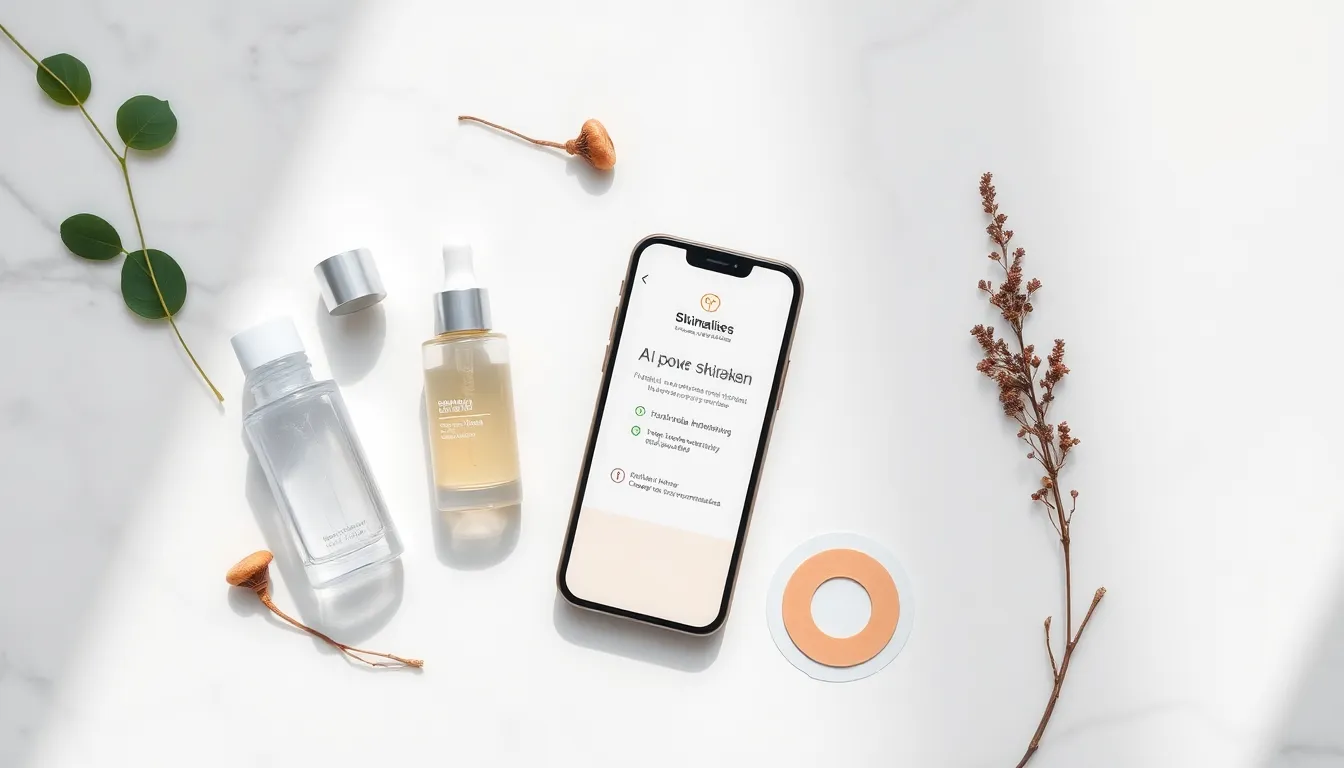
Technology is reshaping skincare routines trends 2026 in significant ways. AI-powered skin analysis tools have moved from professional clinics to smartphones. Apps now scan faces and provide personalized product recommendations based on individual skin conditions.
At-home diagnostic devices are gaining ground too. These gadgets measure hydration levels, sebum production, and skin texture. Users track changes over time and adjust their routines accordingly. Data-driven skincare has arrived.
Some brands offer DNA-based skincare customization. Customers submit saliva samples and receive formulas designed for their genetic predispositions. While this approach remains pricey, it signals where the industry is heading.
Custom-blended products represent another piece of this trend. Several companies now create serums and moisturizers mixed specifically for each customer’s needs. Algorithms analyze questionnaire responses and environmental factors to determine ideal ingredient combinations.
Skincare routines trends 2026 also include wearable tech. Patches that monitor skin hydration throughout the day are entering the market. This real-time feedback helps users understand how their skin reacts to different products, climates, and lifestyle factors.
The personalization movement addresses a long-standing frustration: what works for one person often fails for another. Technology provides answers beyond trial and error. It empowers consumers to build skincare routines based on their actual skin, not generic advice.
Sustainable and Minimalist Routines
Sustainability shapes skincare routines trends 2026 as strongly as any ingredient innovation. Consumers increasingly scrutinize packaging, sourcing, and production methods before purchasing.
Refillable containers have become standard for many premium brands. Waterless formulas, concentrated products that require mixing at home, reduce shipping weight and environmental impact. Solid cleansers, serums, and even moisturizers are gaining shelf space.
Minimalism pairs naturally with sustainability. The average skincare routine has shrunk from eight products to four or five. Multi-functional formulas do the heavy lifting. A single serum might combine hydration, antioxidant protection, and mild exfoliation.
This streamlined approach benefits both the planet and the wallet. Fewer products mean less waste and lower monthly spending. It also reduces the risk of ingredient conflicts and irritation.
“Skinimalism” remains a driving force in skincare routines trends 2026. The goal isn’t perfection, it’s healthy skin that requires minimal intervention. Natural texture, visible pores, and even minor imperfections are now embraced rather than concealed.
Brands that prioritize transparency thrive in this environment. Consumers want to know where ingredients come from, how products are tested, and what happens to packaging after use. Certifications like B Corp and Leaping Bunny carry real weight in purchasing decisions.
The sustainable skincare movement isn’t just a trend. It reflects a fundamental change in consumer values that will shape the industry for years to come.
Trending Ingredients and Innovations
Several ingredients define skincare routines trends 2026. Peptides continue their rise as versatile, gentle actives. Different peptide types target specific concerns, some boost collagen, others calm inflammation, and certain varieties brighten skin tone.
Prebiotics and postbiotics have moved beyond niche status. These ingredients support the skin microbiome, the community of beneficial bacteria living on skin’s surface. A balanced microbiome helps regulate oil production, fight acne-causing bacteria, and maintain barrier strength.
Exosome technology represents a frontier in skincare science. These tiny cellular messengers carry signals that promote repair and regeneration. Early products show promise for anti-aging and wound healing applications.
Adaptogenic botanicals also feature prominently. Ingredients like ashwagandha, reishi mushroom, and rhodiola help skin adapt to stress. They address the inflammation and premature aging that modern lifestyles often trigger.
Blue light protection remains relevant as screen time continues to climb. Formulas with antioxidants that specifically neutralize blue light damage, think lutein and astaxanthin, appear in more day creams and serums.
Lab-grown ingredients offer another innovation worth noting. Biofermented actives and plant stem cells created in controlled environments deliver consistent potency without depleting natural resources.
Skincare routines trends 2026 favor ingredients with solid research behind them. Consumers have grown skeptical of marketing hype. They want peer-reviewed studies and clinical trials, not just influencer testimonials.