Food trends vs. food fads, the distinction matters more than most people realize. One shapes grocery store shelves for years. The other disappears faster than last week’s viral recipe. Every year, new foods capture public attention. Some stick around. Many don’t. Understanding what separates a lasting food trend from a short-lived fad helps consumers make smarter choices. It also helps businesses invest wisely. This guide breaks down the key differences between food trends and food fads. It explains how to spot each one and why some food movements have staying power while others fade into obscurity.
Table of Contents
ToggleKey Takeaways
- Food trends develop gradually over years and reflect deeper cultural, health, or lifestyle shifts, while food fads spike quickly and fade within weeks.
- Lasting food trends solve real consumer problems—like convenience or health needs—whereas fads rely on novelty and social media buzz.
- Major industry investment and broad demographic adoption are strong indicators that a food movement is a trend, not a fad.
- Track research publications, trade media, and restaurant menus to identify genuine food trends early before mainstream adoption.
- Understanding food trends vs. food fads helps consumers make smarter choices and businesses avoid costly inventory losses.
What Defines a Food Trend
A food trend represents a gradual shift in eating habits that spans years, not weeks. Food trends reflect deeper changes in culture, health awareness, or lifestyle preferences. They build momentum slowly and become integrated into mainstream consumption.
Plant-based eating offers a clear example. This food trend didn’t appear overnight. It grew from environmental concerns, health research, and changing attitudes toward animal welfare. Today, plant-based options exist in nearly every grocery aisle and restaurant menu. That’s the hallmark of a genuine food trend, widespread adoption that becomes normalized.
Food trends typically share several characteristics:
- Gradual growth: They build over multiple years, not days or weeks
- Cultural connection: They reflect broader social values or concerns
- Industry support: Major brands and retailers invest in them
- Behavioral change: They alter how people shop, cook, or dine out
The rise of fermented foods like kimchi and kombucha followed this pattern. Scientific studies highlighted gut health benefits. Consumer interest grew. Retailers expanded offerings. Now these foods occupy permanent shelf space. Food trends create lasting market categories rather than temporary spikes in demand.
Another distinguishing factor? Food trends often solve a real problem. Meal kits addressed time constraints for busy families. High-protein snacks met fitness-focused consumers’ needs. When a food movement addresses genuine consumer pain points, it has the foundation to become a lasting food trend.
What Makes a Food Fad
A food fad burns bright and fades fast. Food fads generate intense excitement, dominate social media for weeks, then vanish almost completely. They’re driven by novelty rather than substance.
Remember rainbow bagels? Charcoal ice cream? These food fads exploded across Instagram feeds in their prime. People waited in long lines to try them. Six months later, most shops stopped making them. That’s the life cycle of a food fad, viral fame followed by rapid decline.
Food fads share common traits that separate them from food trends:
- Novelty-driven: They prioritize visual appeal or shock value over taste or nutrition
- Social media dependent: Their popularity relies heavily on shares and likes
- Limited staying power: Interest peaks within weeks or months
- No deeper purpose: They don’t address health needs or cultural shifts
The cronut craze in 2013 showed classic food fad behavior. Lines wrapped around blocks. Scalpers sold them for $100. Within two years, the frenzy had cooled dramatically. The cronut still exists, but it never became a menu staple industry-wide.
Food fads aren’t necessarily bad. They create excitement and give people something fun to try. But businesses that bet heavily on food fads often face inventory losses when interest evaporates. Understanding this distinction between food trends vs. food fads helps both consumers and businesses set realistic expectations.
Key Differences Between Trends and Fads
The food trends vs. food fads debate comes down to several measurable factors. Knowing these differences helps predict which food movements will last.
Time Horizon
Food trends develop over 3-5 years minimum. They show steady growth in sales data, search volume, and menu appearances. Food fads spike dramatically within weeks, then decline just as sharply. Tracking search trends over 12-18 months reveals which category a food movement falls into.
Underlying Motivation
Food trends connect to lasting consumer motivations, health improvement, environmental impact, convenience, or cost savings. Food fads connect to temporary desires, novelty, social validation, or fear of missing out. Ask why people want something. If the answer relates to a deep need, it’s likely a food trend. If it’s “because everyone’s posting it,” that signals a food fad.
Industry Investment
Major food companies invest heavily in genuine food trends. They reformulate products, build new supply chains, and hire specialized staff. For food fads, they might release limited editions but avoid significant infrastructure changes. Watch where big brands put their money, they’ve done the research.
Demographic Spread
Food trends eventually reach all age groups and income levels. Food fads often remain concentrated among specific demographics, particularly younger consumers with high social media usage. Broad demographic adoption indicates a food trend with staying power.
| Factor | Food Trend | Food Fad |
|---|---|---|
| Duration | Years | Weeks to months |
| Growth pattern | Gradual | Spike and crash |
| Consumer motivation | Deep needs | Novelty/social proof |
| Industry investment | Significant | Minimal |
| Demographic reach | Broad | Narrow |
This framework makes food trends vs. food fads easier to distinguish. Apply these criteria to any food movement gaining attention, and the category usually becomes clear.
How to Identify Lasting Food Movements
Spotting genuine food trends early provides advantages for consumers and businesses alike. Several practical methods help separate lasting food trends from temporary food fads.
Follow the Research
Food trends often emerge from scientific studies or industry reports. When multiple research institutions publish findings about a food’s benefits, a trend may follow. The rise of omega-3 fatty acids as a selling point came after decades of cardiovascular research. Food fads rarely have this research foundation.
Monitor Trade Publications
Industry publications like Food Business News and Nation’s Restaurant News track emerging food trends. They interview supply chain experts and analyze purchasing data. Their coverage tends to identify food trends before mainstream media picks them up. If trade publications discuss something seriously, it’s worth attention.
Watch Restaurant Menus
Restaurants serve as testing grounds for food movements. When independent restaurants start featuring an ingredient, that’s early adoption. When major chains add it to permanent menus, that signals a confirmed food trend. Chains conduct extensive market research before menu changes, they don’t chase food fads.
Check Grocery Store Placement
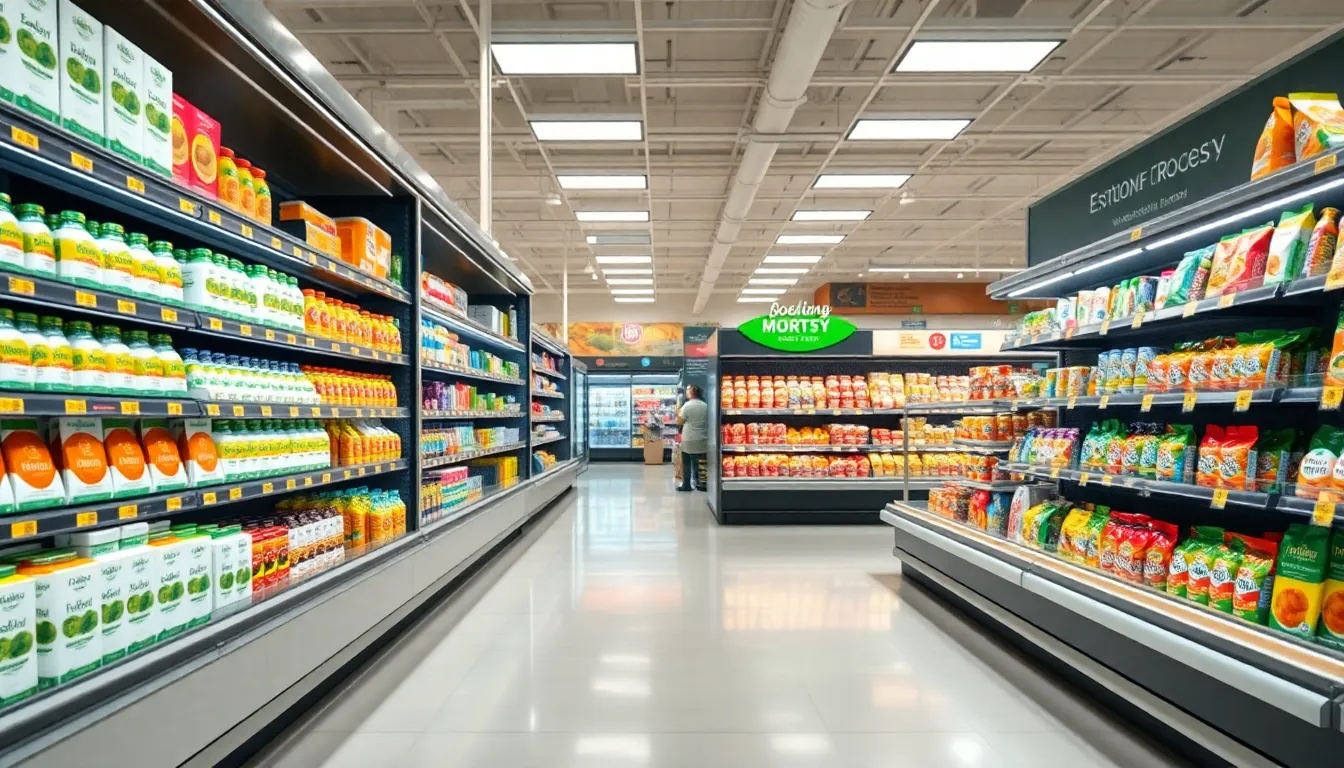
Retailers allocate premium shelf space strategically. When a food category moves from specialty sections to main aisles, it has crossed into food trend territory. Dedicated end caps and multiple brand options indicate retailers expect sustained demand.
Evaluate the “Why”
The most reliable test remains simple: does this food movement solve a real problem? Food trends address genuine consumer needs. Food fads address the desire for novelty. Functional mushrooms grew as a food trend because consumers wanted natural energy and focus solutions. Unicorn-colored foods were food fads because their only purpose was visual appeal.
Combining these methods creates a reliable system for distinguishing food trends vs. food fads. No single indicator provides certainty, but multiple confirming signals increase confidence.