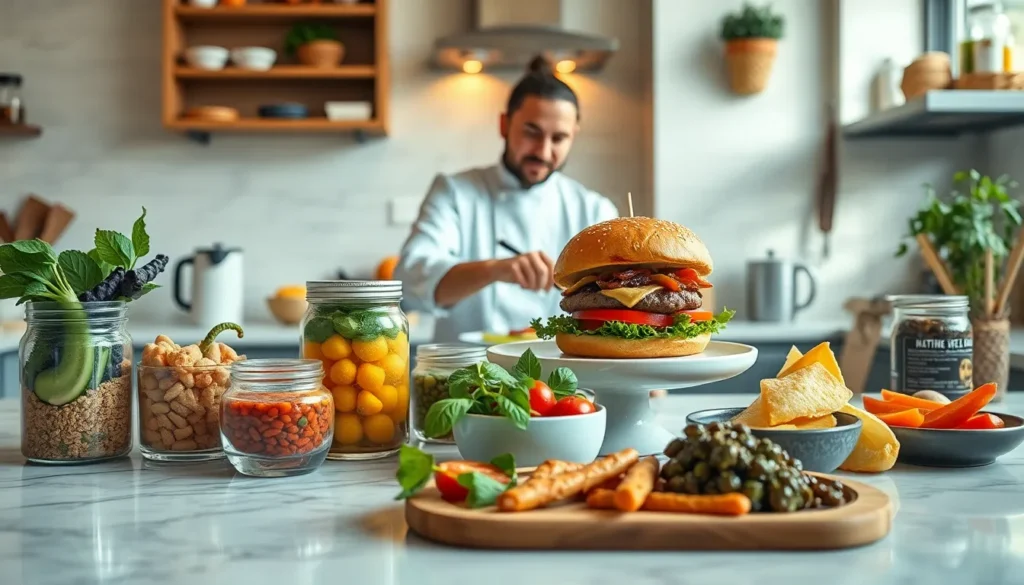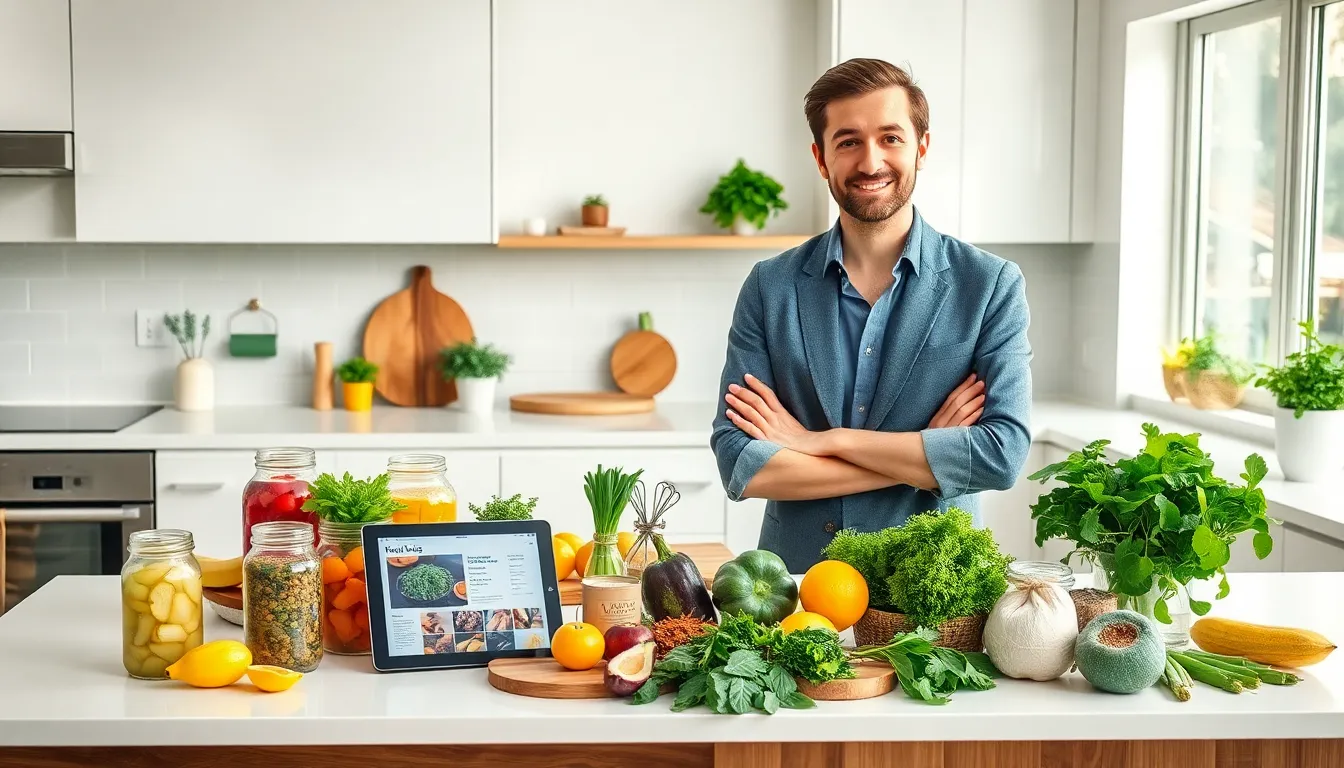
Food trends tips matter more than ever in 2025. The way people eat, cook, and think about nutrition shifts constantly. Some trends fade within months. Others reshape entire industries.
Staying informed helps home cooks, food enthusiasts, and professionals make smarter choices. It also saves money, nobody wants a pantry full of last year’s “superfood” that nobody touches anymore.
This guide breaks down the current food landscape, explains how to spot emerging trends early, and offers practical ways to incorporate new ideas without abandoning what actually works. The goal isn’t to chase every viral recipe. It’s to build a sustainable approach that keeps meals interesting, nutritious, and relevant.
Table of Contents
ToggleKey Takeaways
- Stay ahead of food trends by monitoring social media engagement, restaurant menus, and grocery store layouts for early signals.
- Incorporate new food trends gradually by trying one new ingredient per month and swapping it into familiar dishes rather than overhauling your routine.
- Plant-based eating, fermented foods, protein diversification, and functional foods dominate the 2025 food landscape.
- Balance trendy ingredients with timeless nutrition principles—vegetables, adequate protein, and whole foods remain foundational.
- Use restaurants as testing grounds before buying specialty ingredients to confirm a food trend actually matches your taste preferences.
- Apply critical thinking to food trends tips: not every viral superfood deserves a spot in your pantry, and marketing hype doesn’t equal nutritional value.
Understanding Current Food Trends in 2025
Several food trends dominate 2025. Plant-based eating continues its growth, but the focus has shifted. Consumers now demand better taste and texture from meat alternatives. Companies have responded with products that actually satisfy, not just technically qualify as “edible.”
Fermented foods hold strong positions on grocery shelves. Kimchi, kefir, and kombucha remain popular. Newer options like water kefir and fermented hot sauces gain traction among adventurous eaters.
Protein diversification defines another major food trend. People explore sources beyond chicken and beef. Insects, algae, and lab-grown proteins attract attention from sustainability-minded consumers. These options won’t replace traditional proteins overnight, but their market share grows steadily.
Functional foods represent another key food trend worth tracking. Products now promise specific health benefits, gut health, cognitive function, stress reduction. Adaptogens appear in everything from coffee to chocolate bars. Whether the science fully supports every claim remains debatable, but consumer interest stays high.
Hyper-local sourcing appeals to those who want transparency about food origins. Farmers markets thrive. Restaurant menus highlight specific farms and producers. This food trend connects eating with community in ways that mass production cannot.
Global flavors continue their influence on American kitchens. West African, Filipino, and regional Mexican cuisines gain mainstream recognition. Home cooks experiment with ingredients that seemed exotic five years ago but now appear at regular supermarkets.
How to Identify Emerging Food Trends Early
Spotting food trends before they peak offers real advantages. Early adopters get to experiment when ingredients cost less and information flows freely from genuine enthusiasts rather than marketing departments.
Social media provides obvious signals. TikTok and Instagram showcase what younger demographics eat. When a particular ingredient or technique generates consistent engagement over weeks, not just one viral moment, pay attention. That’s a food trend forming.
Restaurant menus in major cities often preview what home cooking will embrace later. Chefs test concepts on adventurous diners first. When multiple unrelated restaurants feature similar ingredients or preparations, something worth noting happens.
Food industry publications and trade shows reveal professional predictions. These sources track supply chains, agricultural developments, and consumer research data. Their forecasts don’t always land perfectly, but they identify genuine shifts before mainstream media catches up.
Grocery store layouts tell stories too. Retailers dedicate shelf space based on demand projections. New product sections, expanded organic offerings, or prominent placement of specific categories signal where consumer dollars flow.
Conversations matter. What do friends mention cooking lately? What appears at potlucks and dinner parties? These informal data points often confirm what formal research suggests.
One useful food trends tip: track what health-conscious early adopters embrace. This demographic often leads broader adoption curves by 12-18 months.
Practical Tips for Incorporating Food Trends Into Your Routine
Adopting food trends doesn’t require overhauling everything at once. Smart incorporation happens gradually and intentionally.
Start with one new ingredient per month. Buy a small quantity. Find three different recipes that feature it. This approach builds familiarity without waste or overwhelm. If the ingredient works, it enters regular rotation. If not, the loss stays minimal.
Swap rather than add. Want to try a trendy grain? Replace rice or pasta in a familiar dish rather than creating entirely new meals. This food trends tip reduces friction and increases success rates.
Use restaurants as testing grounds. Order trending dishes when dining out before attempting them at home. This confirms whether a food trend actually appeals to personal tastes. No point buying specialty ingredients for something the family won’t enjoy.
Batch cooking works well for trend testing. Make one larger portion of something new. Freeze half. This provides multiple opportunities to appreciate (or abandon) an ingredient without repeated prep work.
Follow food trends that align with existing preferences. Someone who loves spicy food will naturally adopt trending hot sauces more easily than someone sensitive to heat. Play to strengths.
Document what works. A simple note on the phone captures successful experiments. This prevents the frustrating experience of loving something new and forgetting the source recipe three months later.
Another practical food trends tip: share discoveries with others. Cooking for friends provides honest feedback and makes experimentation more enjoyable.
Balancing Trends With Timeless Nutrition Principles
Food trends offer excitement, but foundational nutrition principles remain constant. The best approach combines both.
Vegetables still matter most. No trending supplement or superfood replaces eating actual plants. Whatever else changes, this food trends tip stays relevant: prioritize produce.
Protein needs don’t shift based on what’s fashionable. Bodies require adequate protein regardless of whether it comes from traditional sources, plant-based alternatives, or emerging options. Choose based on personal health goals, ethics, and taste preferences, not solely on trend status.
Processed food remains processed food. A trendy snack with celebrity endorsement still contains what it contains. Reading labels matters more than following influencers. This represents perhaps the most important food trends tip available: marketing budgets don’t change nutritional reality.
Hydration, fiber, and balanced macronutrients form the unsexy foundation that actually determines health outcomes. Trends add variety and interest to this base. They shouldn’t replace it.
Moderation applies to trend adoption too. Eating exclusively “superfoods” creates nutritional gaps just like eating exclusively junk food does. Variety, including some traditional, some trendy, serves bodies best.
Skepticism protects wallets and wellbeing. Not every food trend deserves adoption. Some exist primarily to sell products. Others lack scientific support. Critical thinking remains essential.
The smartest food trends tip: use trends as inspiration while maintaining proven habits. New ingredients and techniques make eating enjoyable. Consistent fundamentals make eating healthy.