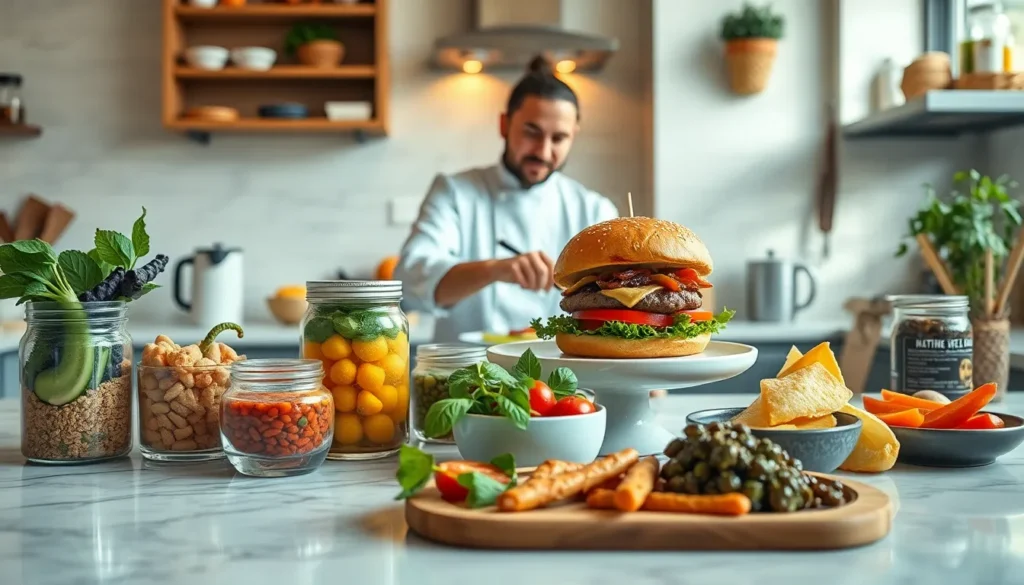
Food trends ideas are shifting fast, and 2026 is proving to be a defining year for how people eat. From plant-based proteins that taste better than ever to global flavors showing up on everyday menus, the food industry is responding to what consumers actually want: taste, health, and sustainability in one package.
This isn’t just about what’s trendy on social media. These food trends ideas reflect real changes in supply chains, restaurant menus, and home kitchens. Whether someone runs a restaurant, develops products, or simply wants to eat smarter, understanding these shifts offers a clear advantage. Here’s what’s driving the biggest changes in food this year.
Table of Contents
ToggleKey Takeaways
- Food trends ideas in 2026 prioritize taste, health, and sustainability as consumers demand more from their meals.
- Plant-based innovations now focus on whole-food ingredients and precision fermentation, appealing to flexitarians and dedicated plant eaters alike.
- Global flavors like West African spices and fusion cuisines are driving culinary discovery in restaurants and home kitchens.
- Zero-waste dining and upcycled ingredients have shifted from marketing buzzwords to genuine business practices.
- Functional foods targeting gut health, adaptogens, and sleep support reflect the growing demand for meals that deliver specific health benefits.
- Technology-enhanced experiences like AI-powered personalization and ghost kitchens are reshaping how people order and enjoy food.
Plant-Based Innovations Taking Center Stage
Plant-based food has moved far beyond veggie burgers and almond milk. In 2026, food trends ideas in this space focus on texture, flavor, and whole-food ingredients that appeal to flexitarians and dedicated plant eaters alike.
Fermented proteins are gaining ground. Companies now use precision fermentation to create dairy-identical proteins without cows. These products taste like traditional cheese and yogurt because they contain the same casein and whey proteins, just made differently.
Whole-food plant proteins are also trending. Consumers are moving away from heavily processed meat alternatives. Instead, they’re choosing products made with recognizable ingredients like chickpeas, lentils, and mushrooms. Brands that highlight simple ingredient lists are winning shelf space.
Restaurants are getting creative too. Chefs use jackfruit, heart of palm, and even watermelon to create dishes that mimic pulled pork or tuna. The goal isn’t to fool anyone, it’s to deliver satisfying meals that happen to be plant-based.
This shift matters because it expands the audience. People who dismissed plant-based options five years ago are now trying them regularly. The food trends ideas driving this category prioritize taste first, with sustainability as a bonus.
Global Flavors and Fusion Cuisine
Global flavors continue to shape food trends ideas in 2026. Consumers want bold, authentic tastes from cuisines they haven’t fully explored yet.
West African and North African flavors are having a moment. Ingredients like berbere spice, suya seasoning, and harissa appear on menus from fast-casual spots to fine dining restaurants. These flavors offer heat, depth, and complexity that American palates are embracing.
Korean-Mexican fusion remains strong, but new combinations are emerging. Filipino-Italian mashups, Japanese-Peruvian Nikkei cuisine, and Indian-Chinese Indo-Chinese dishes are showing up in major food cities.
Home cooks drive this trend too. Specialty grocery stores report increased sales of gochujang, tahini, and sambal oelek. Cooking shows and social media make these ingredients accessible, showing people exactly how to use them.
The food trends ideas here center on discovery. Diners want experiences, not just meals. A dish that tells a story or introduces something new creates a stronger connection than familiar comfort food. Restaurants and brands that understand this are building loyal followings.
Sustainable and Zero-Waste Dining
Sustainability has evolved from a marketing buzzword to a business requirement. Food trends ideas in 2026 reflect genuine operational changes, not just green messaging.
Zero-waste restaurants are growing. These establishments use every part of an ingredient. Vegetable scraps become stocks and sauces. Fish bones turn into broths. Even coffee grounds find second lives as dessert components or compost.
Upcycled ingredients are hitting mainstream shelves. Products made from spent grain, imperfect produce, and food manufacturing byproducts appeal to eco-conscious shoppers. These items often cost less while reducing waste, a clear win for consumers and the environment.
Packaging is changing too. Restaurants are ditching single-use plastics for compostable containers. Grocery stores experiment with refill stations for pantry staples. Some brands ship products in packaging made from seaweed or mushroom mycelium.
Consumers increasingly vote with their wallets on this issue. Surveys show that sustainability influences purchasing decisions, especially among younger demographics. The food trends ideas gaining traction prioritize transparency about sourcing, waste reduction, and environmental impact.
Functional Foods and Wellness-Driven Eating
Food as medicine isn’t new, but 2026’s food trends ideas take this concept further. Consumers expect their meals to deliver specific health benefits beyond basic nutrition.
Gut health remains a priority. Probiotic and prebiotic foods continue selling well. Fermented options like kefir, kimchi, and kombucha are standard grocery items now. New entries include postbiotics, the beneficial compounds that probiotics produce, appearing in supplements and fortified foods.
Adaptogens are spreading beyond supplements into everyday products. Ashwagandha shows up in chocolate bars. Reishi mushrooms appear in coffee blends. Lion’s mane is added to energy drinks. These additions promise stress relief, focus, or immune support.
Protein remains king. High-protein versions of traditionally carb-heavy foods dominate shelves. Protein pasta, protein bread, and protein ice cream target consumers who want to increase intake without meal prep.
Sleep-supporting foods are an emerging category. Ingredients like tart cherry, magnesium, and L-theanine appear in evening snacks and beverages designed to promote rest. This reflects broader wellness food trends ideas connecting diet to sleep quality.
The functional food movement shows no signs of slowing. People want food that works harder for them.
Technology-Enhanced Food Experiences
Technology is reshaping how people discover, order, and experience food. These food trends ideas merge digital innovation with culinary creativity.
AI-powered personalization is changing restaurant ordering. Apps analyze past orders, dietary restrictions, and taste preferences to suggest dishes. Some restaurants use AI to adjust menus based on real-time inventory and demand patterns.
Ghost kitchens continue expanding. These delivery-only operations allow brands to test concepts quickly without traditional restaurant overhead. A single kitchen might produce food for five different virtual brands, each targeting different customer segments.
3D food printing is moving from novelty to practical application. Pastry chefs use printers for intricate chocolate designs. Some companies explore 3D-printed meat alternatives with textures that traditional processing can’t achieve.
Smart appliances at home connect to recipe apps. An oven might automatically adjust temperature and timing based on the recipe selected. Refrigerators track expiration dates and suggest meals based on available ingredients.
These food trends ideas appeal to convenience-driven consumers. Technology removes friction from meal planning, cooking, and ordering. The brands succeeding here make tech invisible, the focus stays on the food, not the gadget.