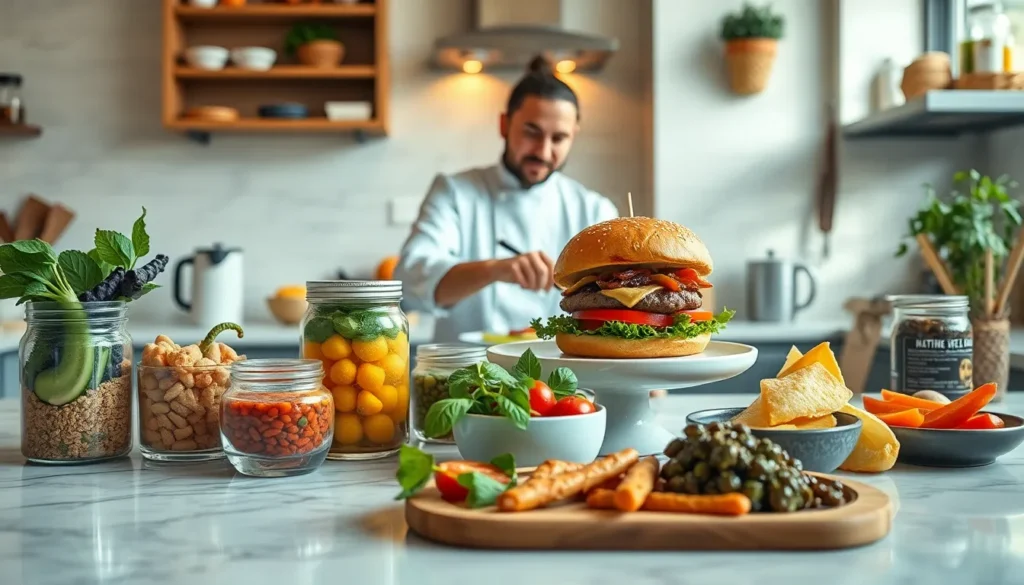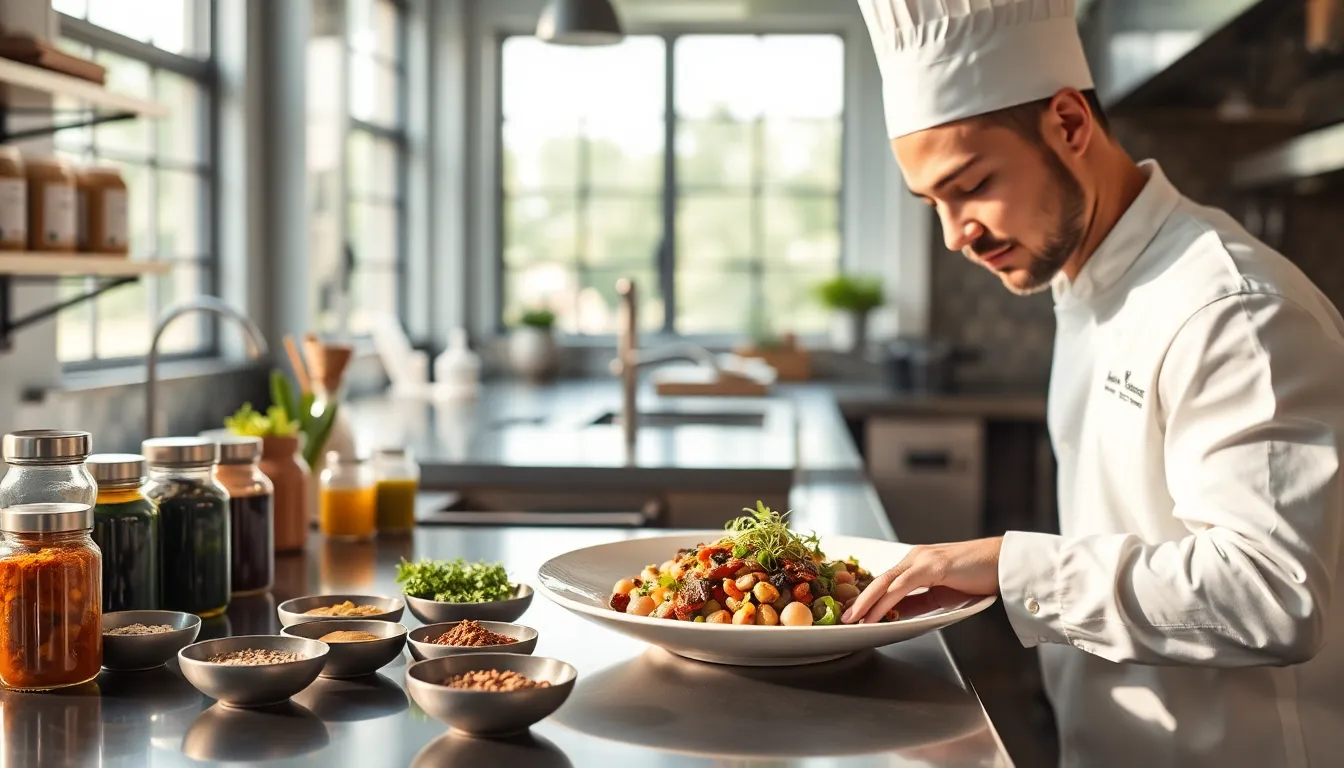
The best food trends in 2025 reflect a shift toward health, sustainability, and bold global flavors. Consumers now demand more from their meals. They want food that tastes great, supports their wellness goals, and aligns with their values. This year’s trends show that innovation happens at every level, from how ingredients are sourced to how dishes are prepared and presented. Whether someone dines at a high-end restaurant or cooks at home, these movements shape what ends up on the plate. Here’s a closer look at the food trends defining 2025 and the years ahead.
Table of Contents
ToggleKey Takeaways
- The best food trends in 2025 prioritize health, sustainability, and bold global flavors that align with consumer values.
- Plant-based innovation now celebrates vegetables, legumes, and fermented proteins as main attractions rather than meat substitutes.
- Global and fusion cuisines—like West African, Filipino-Italian, and Japanese-Peruvian—bring exciting new flavors to mainstream menus and home kitchens.
- Zero-waste cooking and upcycled foods reduce environmental impact while creating new flavor possibilities.
- Functional foods with adaptogens, probiotics, and high-protein formulations help consumers support energy, gut health, and overall wellness.
- These best food trends reflect a broader shift: people now choose meals that taste great and make them feel better.
Plant-Based Innovation Takes Center Stage
Plant-based eating continues to rank among the best food trends of 2025. But this year, it’s less about imitation and more about celebration. Chefs and food companies now highlight vegetables, legumes, and grains as the stars of the dish, not as substitutes for meat.
Fermented plant proteins have gained traction. Products made from koji, tempeh, and mycelium offer new textures and umami depth. These ingredients provide the satisfying bite that earlier plant-based options often lacked.
Restaurants feature creative vegetable-forward menus. Think charred cabbage steaks with miso glaze, or crispy mushroom “bacon” that actually delivers on crunch. Home cooks experiment with aquafaba, cashew cream, and chickpea flour to craft dishes that feel indulgent without animal products.
The food industry has responded with better products. Plant-based cheese now melts properly. Oat milk has become a staple in coffee shops. Even fast food chains offer plant-based burgers that taste close to the original.
This trend isn’t just for vegans. Flexitarians, people who eat mostly plants with occasional meat, drive much of the growth. They seek variety and flavor, not restriction. The best food trends meet them where they are.
Global Flavors and Fusion Cuisine
Global flavors dominate the best food trends this year. Diners crave bold, authentic tastes from cultures around the world. At the same time, fusion cuisine blends these traditions in exciting new ways.
West African cuisine has entered the mainstream. Dishes featuring jollof rice, suya spice, and egusi soup appear on menus across the U.S. and Europe. Chefs incorporate ingredients like scotch bonnet peppers, palm oil, and fermented locust beans into modern recipes.
Korean-Mexican fusion remains popular, but newer combinations have emerged. Filipino-Italian crossovers showcase adobo-braised meats in pasta dishes. Japanese-Peruvian Nikkei cuisine brings together raw fish preparations with aji amarillo and lime.
Condiments tell this story well. Gochujang mayo, harissa aioli, and zhug (a Yemeni green hot sauce) now sit alongside ketchup and mustard in many kitchens. These sauces add instant flavor and global flair to simple meals.
Grocery stores stock more international ingredients than ever. Shoppers find tahini, miso paste, and tamarind concentrate in regular aisles, not just specialty sections. This accessibility helps home cooks explore the best food trends without visiting multiple stores.
The appetite for global flavors shows no signs of slowing. People want to eat their way around the world, one meal at a time.
Sustainability and Zero-Waste Cooking
Sustainability has become one of the best food trends because consumers now care deeply about environmental impact. Zero-waste cooking transforms how kitchens operate, from restaurants to home stoves.
Chefs use whole ingredients. Carrot tops become pesto. Fish bones turn into rich stock. Citrus peels get candied or dried for seasoning. This approach reduces waste and creates new flavor dimensions.
Upcycled foods have entered grocery stores. Brands sell chips made from spent grain (a brewing byproduct), snacks crafted from vegetable pulp, and flour produced from surplus produce. These products give new life to ingredients that would otherwise go to landfills.
Restaurants track their food waste more carefully. Many have adopted composting programs and adjusted portion sizes. Some display their sustainability metrics to customers who want to support eco-conscious businesses.
Packaging matters too. Single-use plastics face growing scrutiny. Restaurants shift toward compostable containers, and meal kit services reduce excess packaging. The best food trends acknowledge that how food arrives matters as much as what’s inside.
Home cooks embrace this mindset. They plan meals around what needs to be used, freeze scraps for future stock, and regrow green onions from their roots. Small changes add up. Zero-waste cooking saves money while helping the planet.
Functional Foods and Wellness-Driven Eating
Functional foods rank among the best food trends because they offer benefits beyond basic nutrition. People want their meals to support energy, gut health, immunity, and mental clarity.
Adaptogens have moved from supplement aisles to food products. Ashwagandha appears in chocolate bars. Reishi mushroom shows up in coffee blends. Lion’s mane gets added to smoothie mixes. These ingredients claim to help the body manage stress and improve focus.
Gut health remains a priority. Fermented foods like kimchi, kefir, sauerkraut, and kombucha continue to grow in popularity. Prebiotics and probiotics appear in everything from yogurt to granola bars. Consumers understand that digestive health affects overall wellbeing.
Protein-packed options appeal to active consumers. High-protein pasta, protein-enriched bread, and collagen-boosted snacks fill shelves. These products help people meet their protein goals without relying solely on meat or shakes.
Low-sugar and low-glycemic foods attract health-conscious eaters. Brands reformulate products to reduce added sugars while maintaining taste. Monk fruit, allulose, and date syrup serve as alternatives to refined sugar.
The best food trends in wellness reflect a shift in thinking. Food isn’t just fuel, it’s a tool for feeling better. People make choices based on how certain foods make them feel, not just how they taste.