

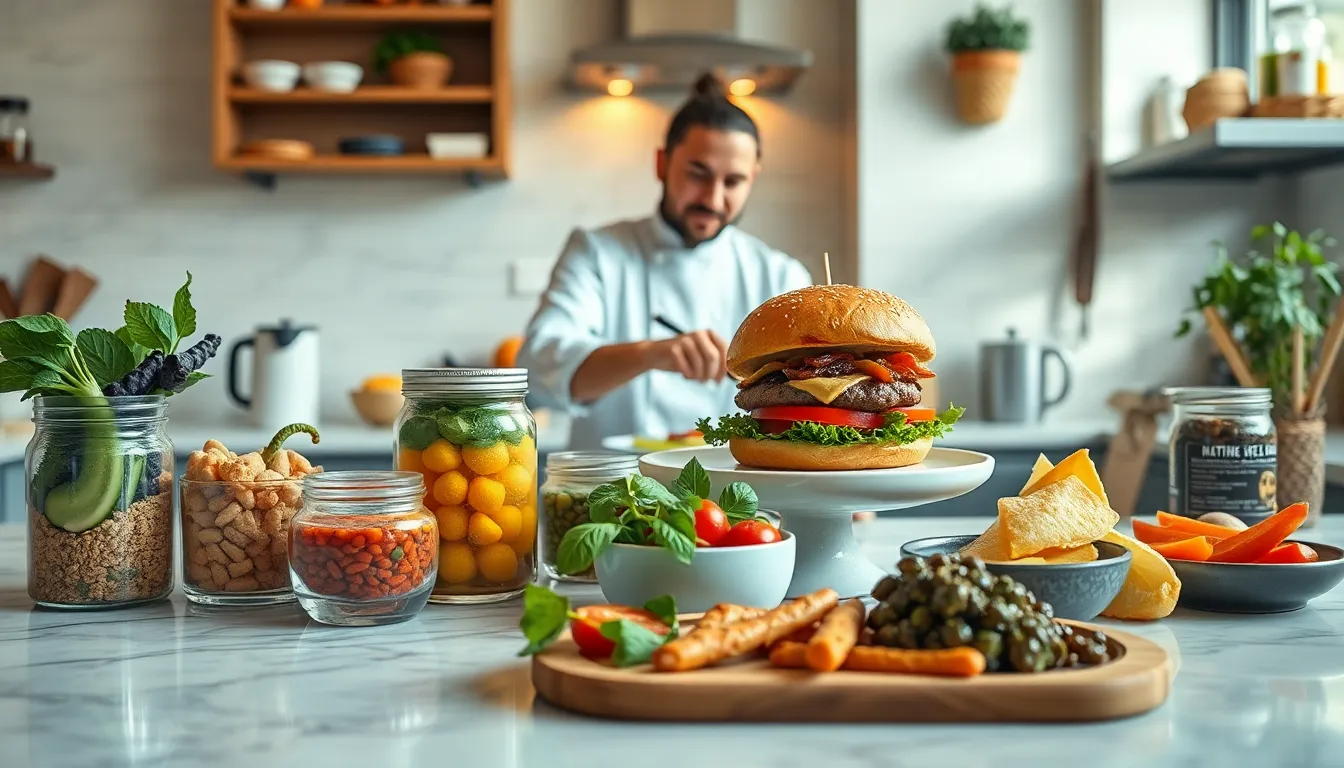
Food trends examples reveal a lot about culture, technology, and priorities. In 2025, consumers are eating with purpose. They want meals that taste good, support health goals, and align with personal values. The food industry has responded with innovation at every level, from lab-grown proteins to nostalgic comfort dishes reimagined for modern palates.
This article breaks down the biggest food trends examples shaping menus, grocery aisles, and home kitchens this year. Whether someone runs a restaurant, stocks a pantry, or simply stays curious about what’s next, these trends offer a clear look at where food culture is heading.
Table of Contents
ToggleKey Takeaways
- Food trends examples in 2025 show consumers prioritizing health, sustainability, and personal values in their eating choices.
- Plant-based and alternative proteins, including cultivated meat and fermentation-derived options, now rival traditional meat in taste and texture.
- Global flavors from West Africa, Southeast Asia, and Latin America are reshaping American menus through fusion cuisine and bolder spice levels.
- Functional foods with gut health benefits, adaptogens, and high-protein formulas reflect consumers treating food as medicine.
- Sustainability drives purchasing decisions, with upcycled ingredients, eco-friendly packaging, and regenerative agriculture gaining mainstream appeal.
- Nostalgic comfort foods reimagined with premium ingredients and modern twists continue to resonate across generations.
Plant-Based and Alternative Proteins
Plant-based eating continues to dominate food trends examples in 2025. More consumers choose meat alternatives for health, environmental, or ethical reasons. Brands like Beyond Meat and Impossible Foods have refined their products. Newer options now include plant-based seafood, eggs, and dairy.
Alternative proteins extend beyond plants. Cultivated meat, grown from animal cells in labs, has entered select markets. Fermentation-derived proteins offer another path forward. Companies use precision fermentation to create proteins identical to those found in animal products, without the animal.
Restaurants have embraced this shift. Fast-food chains offer plant-based burgers and nuggets as permanent menu items. Fine dining establishments feature courses built entirely around alternative proteins. Grocery stores dedicate entire sections to these products.
The appeal goes beyond ethics. Many plant-based products now match or exceed the taste and texture of traditional meat. Younger consumers, especially Gen Z and millennials, drive demand. They view plant-based eating as a default choice rather than a sacrifice.
Food trends examples in this category also include hybrid products. Some brands blend plant proteins with small amounts of animal meat. This approach reduces environmental impact while maintaining familiar flavors. It’s a practical middle ground for consumers not ready to go fully plant-based.
Global Flavors and Fusion Cuisine
Global flavors represent some of the most exciting food trends examples this year. American consumers now seek authentic tastes from West Africa, Southeast Asia, and Latin America. Ingredients like harissa, gochujang, and aji amarillo have moved from specialty stores to mainstream supermarkets.
Fusion cuisine has evolved too. Chefs blend traditions with intention and respect. Korean-Mexican tacos, Japanese-Italian pasta dishes, and Indian-inspired pizzas show up on menus across the country. These combinations work because they honor both culinary traditions.
Social media accelerates this trend. Platforms like TikTok and Instagram expose millions to dishes they’ve never tried. A viral video featuring Nigerian jollof rice or Filipino ube desserts can create overnight demand. Restaurants and food brands pay attention.
Spice levels are rising. American palates have grown bolder. Hot honey, chili crisp, and fermented hot sauces appear everywhere, from fried chicken to cocktails. Heat adds excitement and complexity to familiar dishes.
These food trends examples reflect a broader cultural shift. Consumers value discovery and adventure in their eating experiences. They want stories behind their food. A dish with roots in a specific region or tradition carries more meaning than something generic.
Functional Foods and Wellness-Focused Eating
Functional foods rank high among food trends examples shaping 2025. These products deliver benefits beyond basic nutrition. They support gut health, boost energy, improve sleep, or reduce stress.
Probiotics and prebiotics lead this category. Fermented foods like kimchi, kefir, and kombucha remain popular. New products incorporate these beneficial bacteria into snacks, cereals, and even beverages. Consumers understand gut health affects overall wellness.
Adaptogens have gone mainstream. Mushrooms like lion’s mane, reishi, and chaga appear in coffees, teas, and supplements. These ingredients claim to help the body manage stress and improve focus. Whether the science fully supports every claim, consumer interest remains strong.
Protein continues to dominate. High-protein versions of everyday foods, yogurt, pasta, bread, chips, fill grocery shelves. Consumers seek satiety and muscle support without changing their eating habits drastically.
Sugar reduction represents another functional priority. Natural sweeteners like monk fruit and allulose replace traditional sugar in many products. Low-glycemic options appeal to diabetics and anyone watching blood sugar levels.
These food trends examples show consumers treating food as medicine. They make purchase decisions based on ingredient lists and health claims. Brands that communicate clear, credible benefits win loyalty.
Sustainable and Eco-Conscious Choices
Sustainability defines many food trends examples in 2025. Consumers care about where food comes from and how it reaches their plates. They reward brands with transparent supply chains and genuine environmental commitments.
Upcycled foods have gained traction. These products use ingredients that would otherwise go to waste. Flour made from spent brewing grains, snacks from imperfect produce, and oils from coffee fruit show creative approaches to food waste reduction.
Packaging matters too. Shoppers prefer recyclable, compostable, or minimal packaging. Single-use plastics draw criticism. Brands respond with innovative materials and refillable options.
Local sourcing appeals to eco-conscious consumers. Farm-to-table dining has expanded beyond restaurants. Grocery delivery services now highlight local producers. Community-supported agriculture programs see steady growth.
Regennerative agriculture enters mainstream conversation. This farming approach restores soil health and sequesters carbon. Food companies tout regenerative practices on packaging. Consumers learn to recognize and value these claims.
These food trends examples reflect generational priorities. Younger consumers especially factor sustainability into purchasing decisions. They view their food choices as votes for the kind of food system they want to support.
Nostalgic Comfort Foods With a Modern Twist
Nostalgia powers some of the most popular food trends examples this year. Consumers crave familiar flavors from childhood. But they want modern upgrades, better ingredients, creative presentations, or unexpected flavor combinations.
Classic American comfort foods lead this trend. Mac and cheese, grilled cheese sandwiches, and chicken pot pie appear on upscale menus. Chefs use premium cheeses, artisan breads, and locally sourced proteins. The soul of the dish stays intact while quality improves.
Retro snacks and cereals have returned. Limited-edition rereleases of discontinued products generate buzz. Collaborations between food brands create mashups of beloved flavors. A cereal-inspired ice cream or a snack cake-flavored coffee drink taps into collective memory.
Comfort food from various cultures also resonates. Filipino halo-halo, Japanese curry rice, and Mexican conchas connect diaspora communities to heritage. These dishes gain wider audiences as food media celebrates diverse comfort traditions.
Portion sizes reflect modern sensibilities. Many nostalgic dishes come in smaller, shareable formats. Appetizer-sized servings let diners enjoy multiple comfort foods without overindulging.
These food trends examples work because emotion drives eating. A taste or smell can transport someone back decades. Smart brands and restaurants tap into that power while delivering products suited to current tastes and values.

