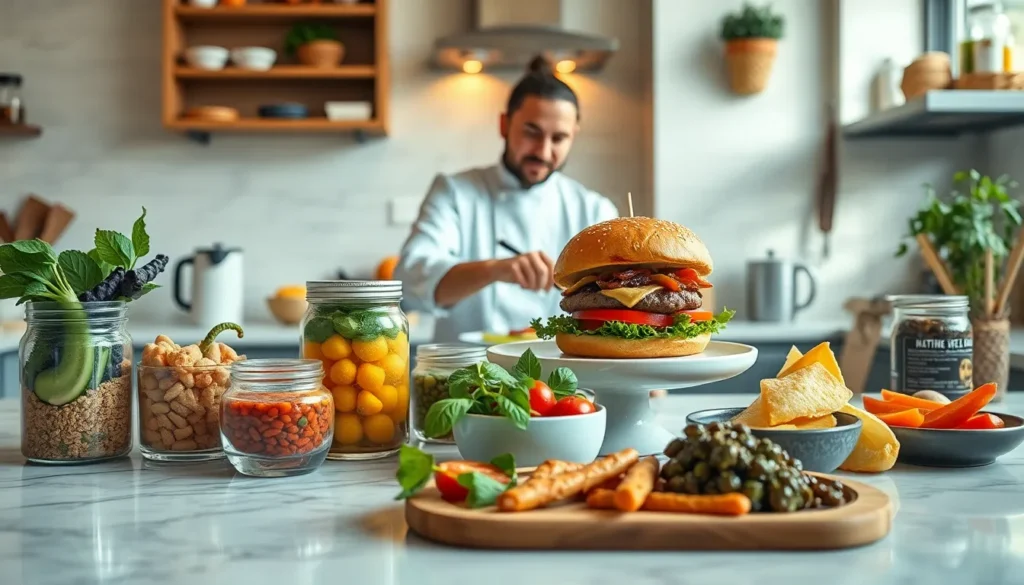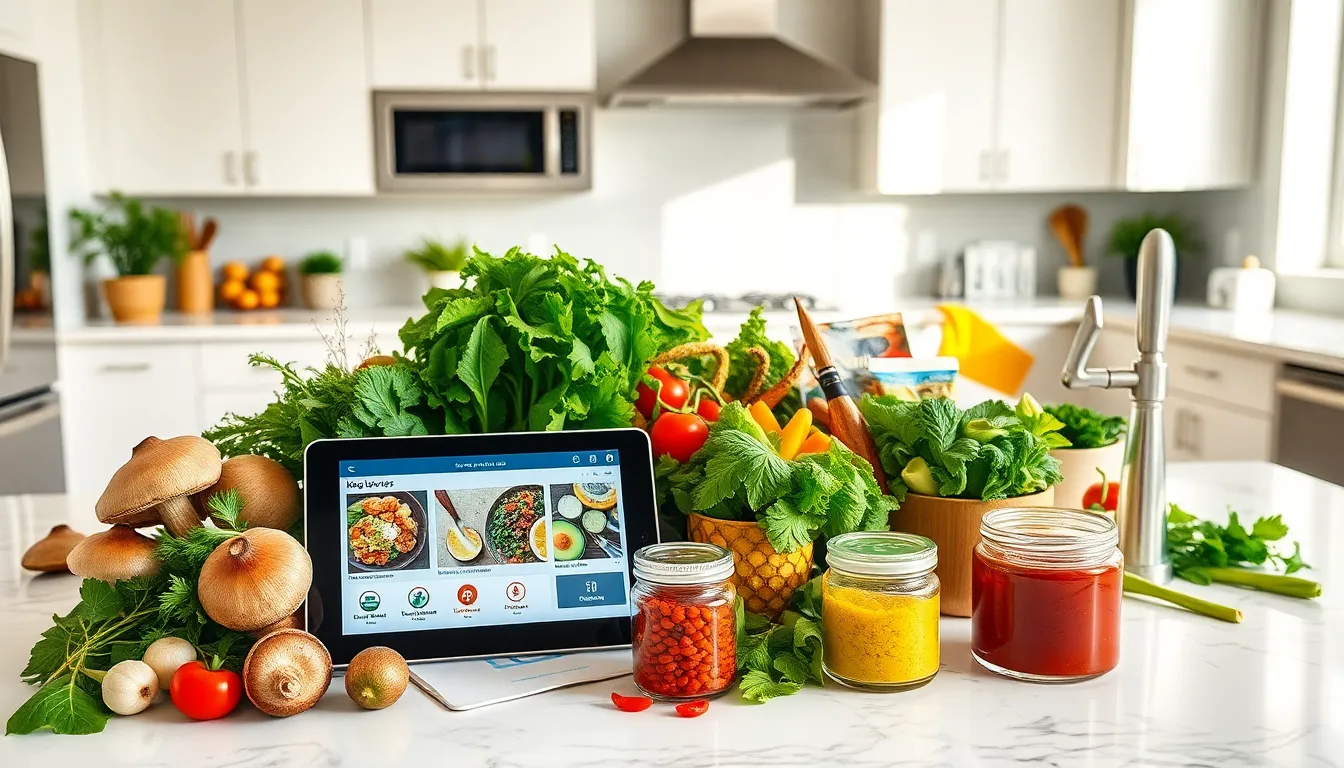
This food trends guide explores the biggest shifts changing kitchens, restaurants, and grocery aisles in 2026. Consumers want more than good taste, they demand sustainability, global inspiration, and tech-forward convenience. From plant-based innovations to regenerative farming practices, the way people eat reflects deeper values about health, culture, and the planet. Whether someone runs a restaurant, stocks a pantry, or simply loves discovering new flavors, understanding these food trends offers a clear advantage. This guide breaks down what’s happening, why it matters, and how to get ahead of the curve.
Table of Contents
ToggleKey Takeaways
- This food trends guide highlights plant-based innovation shifting toward whole-food ingredients like mushrooms and legumes rather than meat imitation.
- Global flavors from West African, Filipino, and Middle Eastern cuisines are moving into mainstream American kitchens and restaurants.
- Regenerative agriculture and upcycled ingredients represent the next evolution in sustainable eating, going beyond basic eco-friendly labels.
- AI-powered apps, ghost kitchens, and smart appliances are transforming how people discover, order, and prepare meals in 2026.
- Start small by adding one plant-based meal weekly, exploring new global ingredients monthly, and checking for sustainability certifications on labels.
- Following this food trends guide doesn’t require a lifestyle overhaul—just curiosity and a willingness to experiment with new flavors and practices.
Plant-Based Innovation Beyond Meat Alternatives
Plant-based eating has moved well past burgers and sausages. In 2026, this food trend focuses on whole-food ingredients and creative applications that don’t try to mimic meat at all.
Chefs and home cooks now celebrate vegetables, legumes, and grains as stars of the plate. Think crispy king oyster mushroom “steaks,” jackfruit carnitas, and chickpea-based pastas with improved texture and protein content. Companies invest heavily in fermentation technology to create dairy-free cheeses that actually melt and stretch. Precision fermentation produces proteins identical to those in cow’s milk, without the cow.
Consumer demand drives this shift. A 2024 survey found 44% of U.S. adults actively try to eat more plant-based meals each week. They don’t all identify as vegan or vegetarian. They simply want variety, better digestion, and lower environmental impact.
Grocery stores dedicate more shelf space to plant-forward products. Restaurants add dedicated plant-based sections to menus rather than hiding a single veggie option at the bottom. This food trend rewards creativity over imitation.
Global Flavors Taking Center Stage
American palates grow bolder by the year. This food trends guide highlights how global cuisines now influence mainstream eating habits more than ever.
West African flavors lead the charge. Ingredients like suya spice, jollof rice, and scotch bonnet peppers appear on fast-casual menus and in meal kits. Filipino cuisine gains traction too, adobo, lumpia, and ube desserts show up everywhere from food trucks to fine dining.
Middle Eastern and North African (MENA) ingredients continue their rise. Harissa, za’atar, and tahini have become pantry staples for millions of households. Korean gochujang and Japanese furikake add heat and umami to dishes that once relied only on salt and pepper.
This food trend reflects demographic shifts and increased travel. Younger generations grew up with access to diverse cuisines through social media, travel, and multicultural communities. They expect authenticity and seek out regional specialties rather than Americanized versions.
Restaurants respond by hiring chefs with genuine cultural expertise. Grocery brands partner with immigrant-owned businesses to source authentic products. The result? A richer, more flavorful food landscape for everyone.
Sustainable and Regenerative Eating
Sustainability buzzwords have circulated for years. But 2026 brings a sharper focus on regenerative agriculture, farming practices that actively restore soil health, sequester carbon, and support biodiversity.
Consumers now ask harder questions. They want to know if their beef came from cattle that grazed on regenerative pastures. They check labels for certifications like Regenerative Organic Certified (ROC). Brands that tell clear stories about sourcing win loyalty.
This food trends guide notes the rise of “upcycled” ingredients too. Food manufacturers turn spent grain from breweries into flour. They transform fruit pulp from juice production into snack bars. The Upcycled Food Association reports 60% growth in certified upcycled products since 2023.
Seafood choices shift toward sustainability. Kelp farming expands along U.S. coastlines because seaweed requires no freshwater, fertilizer, or feed. It absorbs carbon and nitrogen from ocean water. Chefs feature kelp noodles, seaweed salads, and dulse bacon on menus.
Eating sustainably no longer means sacrifice. It means smarter choices that taste just as good, often better, than conventional options.
Technology-Driven Dining Experiences
Technology reshapes how people discover, order, and experience food. This food trend accelerates rapidly in 2026.
AI-powered apps now offer personalized meal recommendations based on dietary restrictions, taste preferences, and nutritional goals. Users input their health data, and algorithms suggest recipes, restaurants, and grocery lists. Some apps even predict what someone will crave based on weather, mood, and activity levels.
Ghost kitchens, delivery-only restaurant concepts, continue expanding. They operate from shared commercial spaces and exist only on delivery apps. This model lowers overhead costs and allows rapid menu experimentation. A single kitchen might run three or four virtual “restaurants” serving different cuisines.
Smart kitchen appliances gain mainstream adoption. Connected ovens adjust temperature and cooking time automatically. Countertop devices like smart composters turn food scraps into garden-ready soil in 24 hours. These tools reduce waste and simplify meal preparation.
QR code menus became standard during the pandemic. Now restaurants use them for interactive experiences, pairing suggestions, ingredient sourcing stories, and chef videos. Diners engage more deeply with their meals.
This food trends guide sees technology as an enhancer, not a replacement, for human creativity in the kitchen.
How to Incorporate These Trends Into Your Lifestyle
Knowing about food trends means little without action. Here’s how to bring these shifts into daily life.
Start with one plant-based meal per week. Choose a cuisine that naturally features vegetables and legumes, Indian dal, Mexican bean tacos, or Mediterranean falafel bowls work well. No need to buy expensive meat alternatives.
Explore a new global ingredient each month. Pick up a jar of harissa, a bag of furikake, or some palm sugar. Watch a YouTube video on traditional preparation methods. Experiment without pressure to get it “right.”
Check labels for sustainability certifications. Look for Regenerative Organic Certified, Marine Stewardship Council (MSC), or Upcycled Certified seals. These third-party verifications add accountability.
Use technology to reduce waste. Apps like Too Good To Go sell surplus food from restaurants at discounted prices. Meal planning apps help shoppers buy only what they need. Smart storage containers track expiration dates.
Support restaurants and brands with transparent sourcing. Ask questions. Read “About” pages. Follow food producers on social media to understand their practices.
Small changes add up. Following this food trends guide doesn’t require a complete lifestyle overhaul, just curiosity and willingness to try something new.