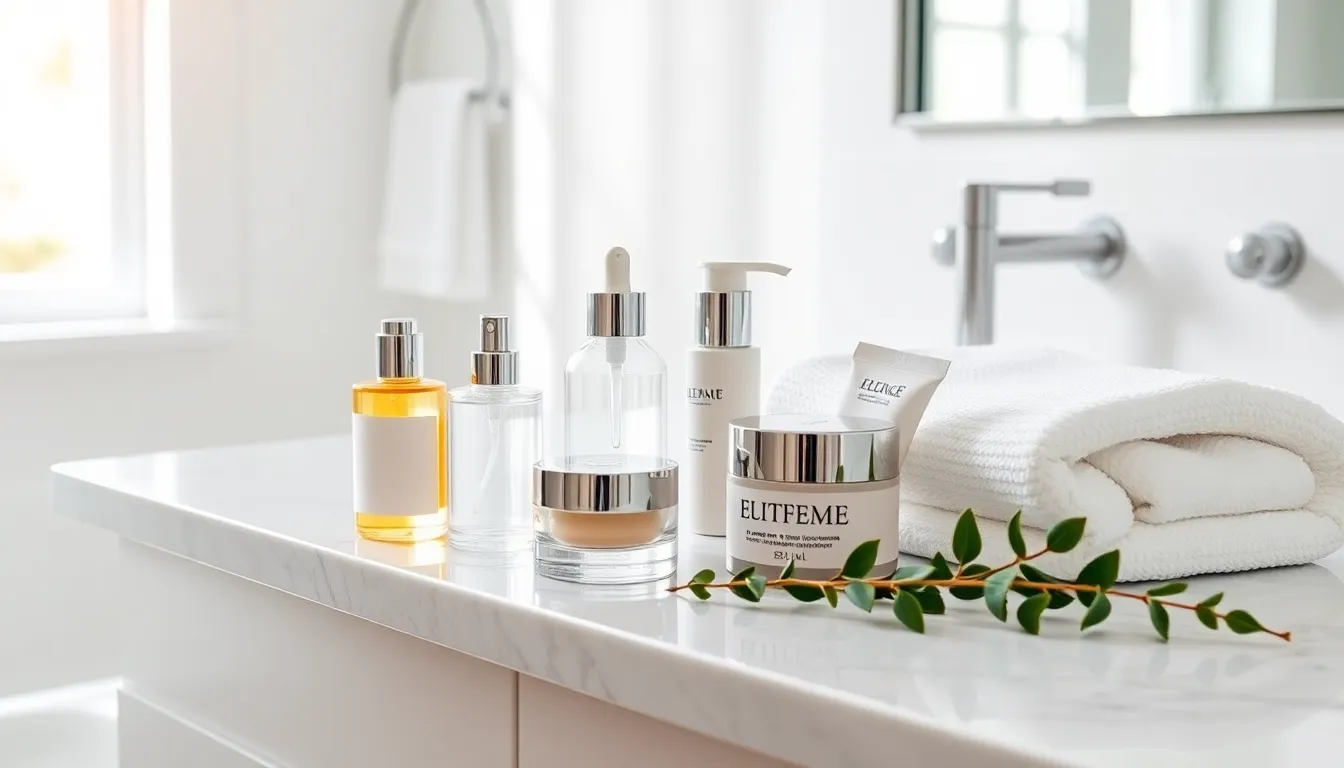
Finding the right skincare routine ideas can transform dull, tired skin into something radiant. The secret isn’t buying the most expensive products or following a 12-step regimen. It’s about consistency, knowing your skin, and using the right products at the right time.
Whether someone is a skincare beginner or looking to refine their current routine, the best approach starts with understanding what the skin actually needs. Morning routines protect. Evening routines repair. And the products in between? They should work for specific skin types, not against them.
This guide breaks down practical skincare routine ideas that anyone can follow. From quick morning steps to targeted nighttime treatments, these routines help build healthy habits that deliver real results.
Table of Contents
ToggleKey Takeaways
- Effective skincare routine ideas prioritize consistency and knowing your skin type over expensive products or complex regimens.
- Morning routines should focus on protection with cleanser, moisturizer, and sunscreen as the non-negotiable foundation.
- Evening routines maximize skin repair by incorporating double cleansing, treatment products like retinoids, and nourishing night creams.
- Beginners should start with a simple three-step routine and introduce new products slowly to avoid overwhelming the skin.
- Customize your skincare routine ideas to your specific skin type—oily, dry, combination, or sensitive—for the best results.
- Most skincare products need 6-8 weeks to show visible improvement, so patience and consistency are essential.
Morning Skincare Routine Essentials
A solid morning skincare routine prepares the skin for the day ahead. It focuses on cleansing, hydrating, and protecting against environmental damage.
Cleanser
Start with a gentle cleanser. Morning cleansing removes overnight oil buildup and leftover products from the night before. A mild, hydrating cleanser works well for most skin types. Foaming cleansers suit oily skin, while cream-based options benefit dry skin.
Toner
Toners balance the skin’s pH after cleansing. They also prep the skin to absorb serums and moisturizers more effectively. Look for alcohol-free formulas with ingredients like hyaluronic acid or niacinamide.
Serum
Morning serums should focus on protection and brightness. Vitamin C serums are popular because they fight free radicals and boost collagen production. A few drops applied to clean skin can make a noticeable difference over time.
Moisturizer
Even oily skin needs moisture. A lightweight, non-comedogenic moisturizer locks in hydration without clogging pores. For dry skin, richer formulas with ceramides or squalane work better.
Sunscreen
Sunscreen is non-negotiable. UV damage causes premature aging, dark spots, and increases skin cancer risk. Apply a broad-spectrum SPF 30 or higher as the final step, every single day, rain or shine. This step alone is the most impactful part of any skincare routine ideas someone can adopt.
Evening Skincare Routine for Repair and Recovery
Nighttime is when skin does its heavy lifting. Cells regenerate faster during sleep, making evening routines crucial for repair and anti-aging benefits.
Double Cleanse
Evening routines start with a double cleanse. First, use an oil-based cleanser to break down sunscreen, makeup, and sebum. Follow with a water-based cleanser to remove any remaining impurities. This two-step process ensures a truly clean canvas.
Exfoliation (2-3 Times Weekly)
Exfoliating removes dead skin cells that dull the complexion. Chemical exfoliants like AHAs (glycolic acid, lactic acid) or BHAs (salicylic acid) work gently without the irritation of physical scrubs. Limit exfoliation to two or three times per week to avoid over-stripping the skin.
Treatment Products
Night is the time for active treatments. Retinoids accelerate cell turnover and reduce fine lines. Niacinamide calms inflammation and minimizes pores. Those with acne-prone skin might add benzoyl peroxide or adapalene. These skincare routine ideas target specific concerns while the body rests.
Eye Cream
The skin around the eyes is thinner and more delicate. A dedicated eye cream addresses puffiness, dark circles, and fine lines. Ingredients like caffeine, peptides, and vitamin K deliver targeted results.
Night Cream or Sleeping Mask
Finish with a nourishing night cream or sleeping mask. These products are typically richer than daytime moisturizers. They create a protective barrier that locks in all the previous layers while the skin repairs overnight.
Simple Routines for Beginners
Not everyone needs a 10-step routine. For beginners, simplicity wins. A basic routine with three to four products delivers excellent results without overwhelming the skin, or the budget.
The Three-Step Morning Routine
- Cleanser
- Moisturizer
- Sunscreen
That’s it. These three steps form the foundation of effective skincare routine ideas. Adding more products comes later, once consistency becomes a habit.
The Three-Step Evening Routine
- Cleanser
- Treatment (optional, start with one active like retinol or niacinamide)
- Moisturizer
Beginners should introduce new products slowly. Adding one product at a time, with a week or two between introductions, helps identify what works and what causes irritation.
Common Beginner Mistakes
- Using too many products too fast. This overwhelms the skin and makes it hard to pinpoint reactions.
- Skipping sunscreen. No skincare routine works if UV damage undoes the progress.
- Expecting instant results. Skin cells take about 28 days to turn over. Most products need 6-8 weeks to show visible improvement.
Starting simple builds a foundation. From there, anyone can add targeted treatments as they learn their skin’s preferences.
Customizing Your Routine by Skin Type
Generic skincare routine ideas only go so far. The best results come from matching products to specific skin types.
Oily Skin
Oily skin produces excess sebum, leading to shine and potential breakouts. Look for:
- Gel or foaming cleansers
- Oil-free, lightweight moisturizers
- Niacinamide serums to regulate oil production
- Clay masks once weekly to absorb excess oil
Avoid heavy creams and occlusive products that trap oil.
Dry Skin
Dry skin lacks moisture and often feels tight or flaky. Focus on:
- Cream or milk cleansers that don’t strip natural oils
- Hyaluronic acid serums for deep hydration
- Rich moisturizers with ceramides, shea butter, or squalane
- Facial oils as a final sealing layer
Avoid harsh exfoliants and alcohol-based toners.
Combination Skin
Combination skin has both oily and dry zones, typically an oily T-zone with drier cheeks. The approach here involves:
- Balancing cleansers that aren’t too stripping or too heavy
- Gel-cream moisturizers that hydrate without adding oil
- Multi-masking: clay mask on oily areas, hydrating mask on dry spots
Sensitive Skin
Sensitive skin reacts easily to products, often with redness, itching, or burning. Prioritize:
- Fragrance-free, hypoallergenic products
- Gentle, calming ingredients like centella asiatica, aloe, and oat extract
- Patch testing new products before full application
- Minimal routines with fewer active ingredients
Understanding skin type transforms generic skincare routine ideas into a personalized system that actually delivers results.