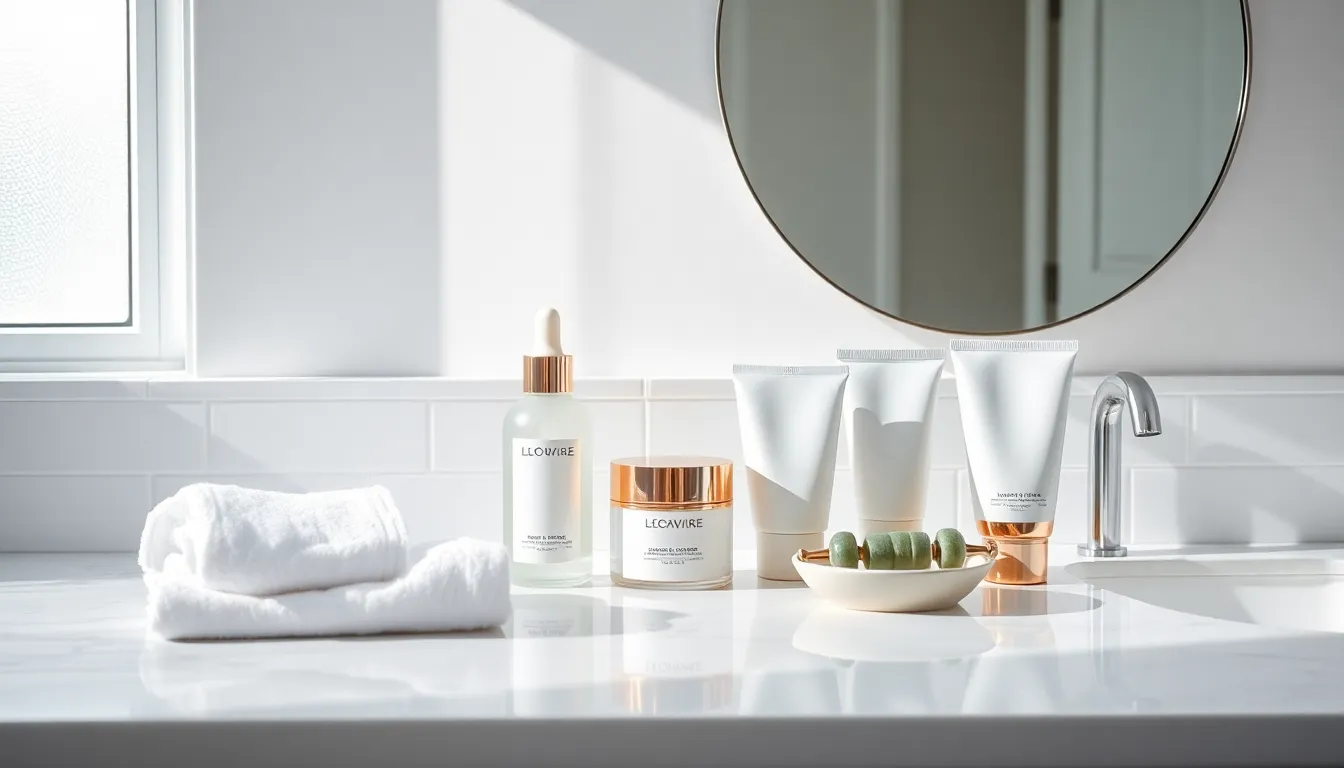
A skincare routine is a set of steps someone follows daily to cleanse, treat, and protect their skin. Whether the goal is preventing acne, reducing wrinkles, or simply maintaining a healthy glow, skincare routines provide a structured approach to skin health. But here’s the thing, most people either skip essential steps or use the wrong products for their skin type. This guide breaks down what skincare routines actually involve, why they matter, and how anyone can build one that works.
Table of Contents
ToggleKey Takeaways
- A skincare routine consists of three essential steps: cleansing, moisturizing, and sun protection—forming the foundation for healthy skin.
- Morning skincare routines focus on protection with antioxidants and SPF, while nighttime routines prioritize treatment and skin repair.
- Choose products based on your skin type (oily, dry, combination, or sensitive) to maximize your skincare routine’s effectiveness.
- Sunscreen with SPF 30 or higher is the single most effective anti-aging product and should never be skipped.
- Introduce new products one at a time and allow 4–12 weeks of consistent use before expecting visible results.
- Avoid over-exfoliating and remember to extend your skincare routine to your neck and chest for even results.
The Core Steps of a Basic Skincare Routine
A basic skincare routine includes three essential steps: cleansing, moisturizing, and sun protection. These form the foundation of any effective skincare routine, regardless of skin type or concern.
Cleansing
Cleansing removes dirt, oil, makeup, and environmental pollutants from the skin. A good cleanser clears pores without stripping natural moisture. People should wash their face twice daily, once in the morning and once before bed.
For oily skin, gel or foam cleansers work well. For dry skin, cream-based cleansers offer gentler results.
Moisturizing
Moisturizers hydrate the skin and lock in water. Even oily skin needs moisture. Skipping this step can actually trigger more oil production as the skin tries to compensate.
Lightweight lotions suit oily and combination skin. Thicker creams benefit those with dry or mature skin.
Sun Protection
Sunscreen is non-negotiable in any skincare routine. UV exposure causes up to 80% of visible skin aging, according to dermatology research. A broad-spectrum SPF 30 or higher protects against both UVA and UVB rays.
Apply sunscreen every morning, even on cloudy days. Reapply every two hours when outdoors.
Morning Versus Nighttime Skincare
Morning and nighttime skincare routines serve different purposes. Understanding this distinction helps maximize results.
Morning Skincare Routine
The morning skincare routine focuses on protection. During the day, skin faces sun exposure, pollution, and environmental stress. A typical morning routine includes:
- Gentle cleanser to remove overnight oil buildup
- Antioxidant serum (like vitamin C) to fight free radicals
- Lightweight moisturizer for hydration
- Sunscreen as the final step
The goal is to create a barrier that shields skin throughout the day.
Nighttime Skincare Routine
Night is when skin repairs itself. The nighttime skincare routine prioritizes treatment and recovery. Steps often include:
- Makeup remover or oil cleanser (if wearing makeup)
- Regular cleanser for a thorough clean
- Treatment products like retinol or exfoliating acids
- Heavier moisturizer or night cream
Active ingredients like retinoids work best at night because they can make skin sun-sensitive. Plus, the body’s cell regeneration peaks during sleep, making treatments more effective.
How to Choose Products for Your Skin Type
Choosing the right products makes or breaks a skincare routine. The first step is identifying skin type.
Oily Skin
Oily skin produces excess sebum and often appears shiny by midday. Look for:
- Oil-free, gel-based cleansers
- Lightweight, non-comedogenic moisturizers
- Products containing salicylic acid or niacinamide
Dry Skin
Dry skin feels tight and may show flakiness. It needs:
- Cream cleansers that don’t strip moisture
- Rich moisturizers with hyaluronic acid or ceramides
- Gentle exfoliants (avoid harsh scrubs)
Combination Skin
Combination skin has oily zones (usually the T-zone) and dry patches elsewhere. A balanced approach works best:
- Gentle, balanced cleansers
- Gel-cream hybrid moisturizers
- Targeted treatments for specific areas
Sensitive Skin
Sensitive skin reacts easily to products or environmental factors. It requires:
- Fragrance-free, hypoallergenic formulas
- Minimal ingredient lists
- Soothing ingredients like aloe vera or centella asiatica
Patch testing new products helps prevent reactions. Apply a small amount to the inner forearm and wait 24-48 hours before using on the face.
Common Mistakes to Avoid When Building Your Routine
Many people sabotage their skincare routine without realizing it. Here are the most frequent errors.
Using Too Many Products at Once
Introducing multiple new products simultaneously makes it impossible to identify what works, or what causes irritation. Add one new product at a time and wait two to four weeks before adding another.
Skipping Sunscreen
Sunscreen is the single most effective anti-aging product available. Skipping it undoes the benefits of other skincare products. No skincare routine is complete without daily SPF.
Over-Exfoliating
Exfoliation removes dead skin cells, but too much damages the skin barrier. Limit exfoliation to two or three times per week maximum. Signs of over-exfoliation include redness, dryness, and increased sensitivity.
Expecting Instant Results
Skincare routines take time to show results. Most products need four to twelve weeks of consistent use. Switching products too quickly prevents any real progress.
Ignoring the Neck and Chest
The neck and chest age just like the face. Extending the skincare routine to these areas prevents mismatched skin tone and texture.
Not Adjusting for Seasons
Skin needs change with the weather. A skincare routine that works in humid summer months may not suit dry winter conditions. Pay attention to how skin responds and adjust products accordingly.