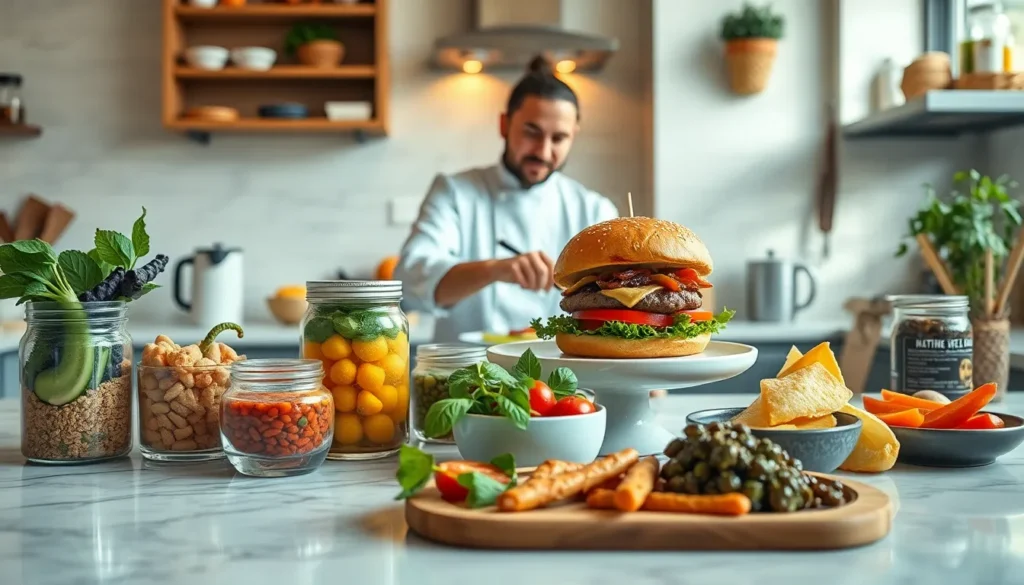
Food trends 2026 are shaping up to be bold, health-conscious, and planet-friendly. This year, diners can expect shifts that blend global influences with local sustainability efforts. From plant-forward menus to AI-powered kitchens, the way people eat is changing fast. Restaurants, home cooks, and food manufacturers are all adapting to meet new consumer demands. The focus has moved beyond taste alone, people now want food that supports their health, respects the environment, and offers genuine flavor innovation. Here’s a look at the major food trends 2026 will bring to tables worldwide.
Table of Contents
ToggleKey Takeaways
- Food trends 2026 prioritize health, sustainability, and bold global flavors as consumers demand more from their meals.
- Plant-forward dining leads the charge, with vegetables taking center stage while meat becomes a supporting ingredient.
- Global and fusion cuisines are going mainstream, blending traditions like Korean-Mexican and Japanese-Southern barbecue.
- Sustainability drives food choices in 2026, from farm-to-table sourcing to upcycled ingredients and eco-friendly packaging.
- Technology innovations like AI-powered kitchens, ghost kitchens, and lab-grown meat are transforming how food is created and delivered.
- Functional foods focused on gut health, adaptogens, and alternative proteins reflect consumers treating food as preventive medicine.
Plant-Forward Dining Takes Center Stage
Plant-forward dining has become one of the defining food trends 2026 restaurants and consumers are embracing. This approach doesn’t require going fully vegan or vegetarian. Instead, it places vegetables, legumes, grains, and fruits at the center of the plate while treating meat as a side dish or flavor accent.
Chefs across the country are creating menus where plants are the star. Cauliflower steaks, mushroom-based entrees, and hearty grain bowls now headline fine dining establishments. Fast-casual chains have followed suit, offering more substantial plant-based options that go beyond basic salads.
The shift isn’t just about health. Many diners choose plant-forward meals because they have a lower environmental footprint. Producing vegetables requires fewer resources than raising livestock, making this food trend 2026 both practical and appealing to eco-conscious eaters.
Flexitarianism continues to grow as well. People enjoy the freedom to eat meat occasionally while prioritizing plants most of the time. Food brands have responded with improved meat alternatives that taste better and cost less than earlier versions. Expect to see more hybrid products, burgers blended with mushrooms, sausages mixed with lentils, as the year progresses.
Global Flavors and Fusion Cuisine
Global flavors dominate food trends 2026 as diners seek exciting new taste experiences. West African spices, Filipino adobo, and Peruvian ceviche have moved from niche offerings to mainstream menus. Consumers want authenticity, but they also appreciate creative fusion dishes that blend culinary traditions.
Korean-Mexican tacos, Indian-Italian pasta, and Japanese-Southern barbecue represent the kind of cross-cultural cooking gaining traction this year. These combinations work because skilled chefs understand the foundations of each cuisine before blending them.
Supermarkets reflect this shift too. Aisles now stock gochujang, harissa, and aji amarillo alongside traditional condiments. Home cooks experiment with these ingredients, recreating restaurant-quality global dishes in their own kitchens.
Regional American cuisines are also getting renewed attention. Appalachian cooking, Gulf Coast Creole, and Southwest indigenous ingredients are appearing on menus outside their home territories. This food trend 2026 celebrates heritage while introducing new flavors to broader audiences.
Social media plays a significant role here. Platforms like TikTok and Instagram expose users to dishes from around the world, sparking curiosity and driving demand. A viral video featuring birria tacos or ube desserts can shift consumer preferences almost overnight.
Sustainability and Climate-Conscious Eating
Sustainability stands at the forefront of food trends 2026. Climate change concerns have pushed consumers to think harder about what they eat and where it comes from. This year, people are asking tough questions about food miles, packaging waste, and farming practices.
Restaurants are responding with seasonal menus that change based on local availability. Farm-to-table isn’t a buzzword anymore, it’s an expectation. Chefs build relationships with nearby growers, reducing transportation emissions while supporting regional agriculture.
Food waste reduction has become a priority across the industry. Restaurants use vegetable scraps for stocks, repurpose stale bread into croutons, and donate surplus food to local organizations. Apps that sell discounted “rescued” food from restaurants and grocery stores continue to gain users.
Packaging innovations matter too. Compostable containers, reusable takeout systems, and minimal plastic wrapping are becoming standard at forward-thinking food businesses. Consumers actively seek out brands that prioritize eco-friendly packaging.
Upcycled ingredients represent another aspect of this food trend 2026. Products made from spent grain, fruit pulp, and vegetable trimmings turn would-be waste into nutritious snacks and beverages. Companies like these prove that sustainability and profitability can work together.
Technology-Driven Food Innovation
Technology is reshaping food trends 2026 in ways that seemed like science fiction just a few years ago. AI now helps chefs develop recipes, predict flavor combinations, and reduce kitchen waste. Machine learning algorithms analyze thousands of ingredients to suggest pairings humans might never consider.
Ghost kitchens continue expanding. These delivery-only operations run multiple virtual restaurant brands from single locations. They reduce overhead costs and allow entrepreneurs to test concepts without major investments in traditional dining spaces.
3D food printing has moved beyond novelty into practical application. Some restaurants use printers to create intricate chocolate designs, custom pasta shapes, and even plant-based meat structures. The technology offers precision that hand preparation can’t match.
Lab-grown meat is approaching commercial viability. Several companies now sell cultivated chicken and beef in select markets. While prices remain higher than conventional meat, production costs are dropping each year. This food trend 2026 could significantly reduce the environmental impact of meat consumption if adoption grows.
Smart kitchen appliances have become more accessible as well. Connected ovens, precision cookers, and AI-powered refrigerators help home cooks achieve professional results. These tools track inventory, suggest recipes based on available ingredients, and reduce food spoilage.
Functional Foods and Gut Health Focus
Functional foods have claimed a central position among food trends 2026. Consumers want their meals to do more than satisfy hunger, they expect health benefits. Products fortified with vitamins, probiotics, and adaptogens fill grocery store shelves.
Gut health drives many purchasing decisions this year. Fermented foods like kimchi, kefir, kombucha, and miso have gone mainstream. People understand that a healthy gut microbiome supports digestion, immunity, and even mental well-being.
Prebiotic fibers appear in everything from bread to protein bars. These compounds feed beneficial gut bacteria, complementing the probiotics in fermented products. Food brands highlight these additions on packaging because consumers actively seek them out.
Adaptogens have crossed over from supplements into everyday foods. Ashwagandha lattes, reishi mushroom chocolates, and lion’s mane coffee promise stress relief and cognitive benefits. While scientific evidence varies, consumer interest remains strong.
Protein continues its reign as a sought-after nutrient. Beyond traditional sources, people are trying cricket flour, algae protein, and mycoprotein from fungi. These alternatives offer complete amino acid profiles with smaller environmental footprints than animal protein.
The food trend 2026 toward functional eating reflects a broader shift. People increasingly view food as medicine, or at least as preventive care. They choose what they eat with specific health outcomes in mind.